
True people search has become an increasingly popular tool for individuals who want to locate accurate public information without complicated processes or technical barriers. In a digital world where identities, records, and online footprints are scattered across countless platforms, having a reliable way to connect names with publicly available data feels both practical and empowering. This guide explores how people-search platforms work, why they matter, and how to use them responsibly while staying mindful of privacy, legality, and accuracy.
Understanding Modern People Lookup Platforms
People lookup services are designed to collect and organize publicly accessible data from a wide range of sources. These may include public records, phone directories, social profiles, property filings, and other legally available datasets. The goal is to bring fragmented information together in one place so users can make sense of it more easily.
Unlike traditional search engines, which focus on web pages and content, people-finding tools are structured around individuals. They aim to connect names, locations, and known details into a clearer picture. This approach is especially useful when information is outdated, incomplete, or spread across multiple sources that would otherwise take hours to review manually.
Why Online Identity Searches Matter Today
As online and offline lives increasingly overlap, verifying identity has become more important than ever. People want reassurance before reconnecting with someone from the past, confirming details for professional reasons, or ensuring their own digital footprint is accurate. Identity searches can also help users correct misinformation, understand what data is publicly visible, and take steps to manage their online presence more effectively.
The demand for these services reflects a broader shift toward transparency and personal data awareness. Instead of relying on guesswork or unverified sources, users can consult structured databases built specifically for people-related queries.
How Data Is Collected and Organized
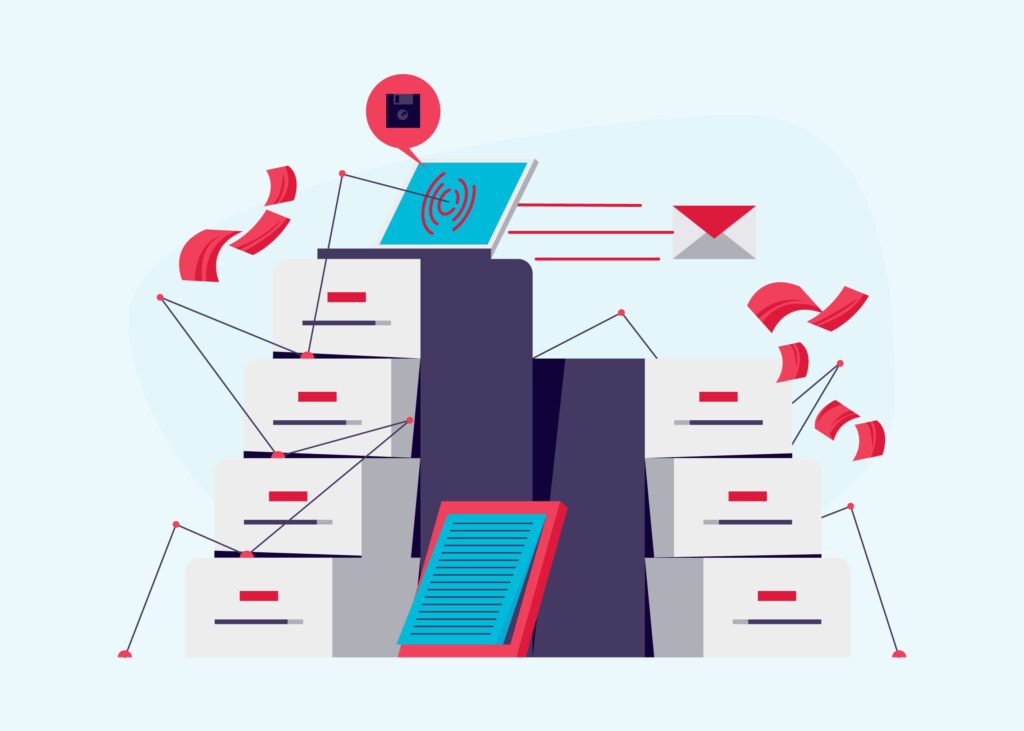
Most people-search platforms rely on aggregation rather than original data creation. They pull information from government records, court filings, voter registrations, business listings, and other open sources. Advanced indexing systems then match and organize these records using identifiers such as names, addresses, or phone numbers.
Because this information comes from public records, accuracy depends heavily on how current and consistent those records are. Updates can take time, and variations in spelling or location may affect results. This is why responsible platforms emphasize verification and encourage users to cross-check details when accuracy is critical.
True People Search and Its Role in Information Access
True people search stands out because it focuses on simplicity and broad accessibility while relying on publicly available records. Users often turn to it when they want a quick overview rather than an in-depth investigative report. Its appeal lies in ease of use, straightforward presentation, and the ability to surface connections that might not appear in a standard web search.
By organizing public data into readable profiles, this type of service lowers the barrier for everyday users who need basic information without specialized knowledge. It also highlights how public records, when thoughtfully structured, can become far more useful and transparent.
Responsible and Ethical Use of People Search Tools
With access to personal data comes responsibility. Ethical use means respecting privacy, understanding legal boundaries, and avoiding misuse. These platforms are intended for lawful purposes such as reconnecting with contacts, verifying publicly available details, or managing one’s own digital identity.
Using gathered information to harass, discriminate, or invade someone’s private life crosses ethical and legal lines. Responsible users approach people-search tools as informational resources, not as instruments for surveillance or judgment.
Accuracy, Limitations, and Common Misconceptions
One common misconception is that people-search services provide real-time or perfectly accurate information. In reality, data accuracy depends on update cycles, source reliability, and regional reporting practices. Some records may be outdated, duplicated, or incomplete.
Understanding these limitations helps users interpret results realistically. These tools are best seen as starting points rather than final authorities. When important decisions depend on the information, independent verification is always recommended.
Privacy Awareness in a Data-Driven World
The popularity of services like TruePeopleSearch has sparked broader conversations about privacy and data visibility. Many people are surprised by how much information is publicly accessible and easily discoverable. This awareness can be empowering, prompting users to review their own public records and take steps to protect sensitive details where possible.
Some platforms offer opt-out mechanisms that allow individuals to request the removal or suppression of certain records. While not always immediate, these options reflect growing recognition of personal data rights in the digital age.
Comparing People Search Tools Without Brand Bias
Not all people look for services that are built the same. Differences may appear in data sources, update frequency, user interface, and transparency. Some focus on comprehensive reports, while others prioritize speed and simplicity. Choosing the right tool depends on the user’s goals, whether that’s casual information gathering or more detailed research.
Evaluating these services based on clarity, ethical standards, and data handling practices is more effective than focusing solely on size or popularity.
Legal Considerations You Should Know
In many regions, using public record data is legal as long as it complies with consumer protection and privacy laws. However, restrictions may apply to how the information can be used, especially in employment, housing, or credit-related decisions.
Understanding local regulations helps ensure that searches remain compliant. Reputable platforms typically outline acceptable use policies to guide users and reduce the risk of misuse.
The Future of Digital Identity Search
As data ecosystems evolve, people-search technology is likely to become more refined. Improved data validation, clearer consent mechanisms, and stronger privacy controls may shape the next generation of identity lookup tools. Users can expect more transparency around data sources and greater control over personal information visibility.
At the same time, public awareness will continue to grow, encouraging more informed and ethical use of these resources.
Final Thoughts on Using People Search Services Wisely
True people search and similar platforms reflect a growing need for clarity in an information-heavy world. When used thoughtfully, they offer a practical way to navigate public data, verify details, and understand digital identities. The key lies in balancing curiosity with responsibility, accuracy with caution, and convenience with respect for privacy.
By approaching people-search tools as informative aids rather than definitive authorities, users can gain valuable insights while maintaining ethical standards and long-term trust in digital information systems.
Also Read: Blender Bottle: The Ultimate Smart & Powerful Companion for Healthy Livin