
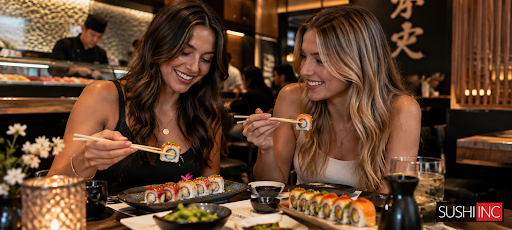
Sushi quality is often judged by appearance. Diners may look for bright colors, attractive presentation, or thick slices of fish, but those characteristics alone do not tell the whole story. Good sushi depends on ingredient handling, temperature control, preparation, rice quality, and food safety practices—details that may be easy to overlook during a meal.
Fresh Does Not Always Mean Better
One common misconception is that the best sushi must use fish that has never been frozen. For raw fish, that is not necessarily true. Freezing can be an important safety control because certain fish may contain parasites. The FDA Food Code provides specific freezing procedures for fish intended to be served raw, although certain species and aquacultured fish are exempt from those requirements.
The FDA also emphasizes that freshness and safety are not identical. Fresh seafood should have a mild, fresh smell rather than sour, rancid, or ammonia-like odors, but even fresh fish can contain harmful microorganisms.
Sushi Rice Matters More Than Many People Realize
Fish often receives most of the attention, but rice is fundamental to sushi. Its texture, temperature, seasoning, and consistency affect how each piece tastes. Properly prepared rice should complement the fish rather than overwhelm it.
The balance between rice and topping also matters. A beautifully cut piece of fish can still produce a disappointing bite if the rice is poorly prepared or the proportions are inconsistent.
Appearance Can Be Misleading
Color is not a reliable measure of seafood freshness. The FDA specifically notes that seafood color can be affected by factors such as diet, environment, treatment, and packaging processes.
That means diners should look beyond bright colors or elaborate presentations. Texture, aroma, temperature, ingredient handling, and preparation provide more meaningful clues about quality.
Food Safety Is Part of Quality
For sushi containing raw seafood, proper handling is essential. Temperature control, prevention of cross-contamination, and appropriate parasite controls all contribute to a safer dining experience. The FDA recommends that consumers recognize raw seafood carries greater risks from parasites and bacteria than thoroughly cooked seafood.
People at higher risk for severe foodborne illness, including pregnant individuals, young children, older adults, and people with weakened immune systems, are advised to avoid raw or undercooked fish and shellfish.
Ultimately, great sushi is about far more than how impressive a plate looks. Ingredient quality, rice preparation, handling, temperature, freshness indicators, and food safety practices all work together to determine what makes sushi genuinely good.
Sushi Inc. is a vibrant restaurant that offers what is considered the best sushi in St Petersburg. Opening its doors in 2013 and becoming a local staple by offering live music, traditional hand-rolled sushi, and a friendly atmosphere, our guests always have a top-notch experience. Customers love our award-winning, fresh, and creative Sushi rolls, Nigiri, and Sashimi. With a larger selection of tempura, non-Sushi, and teriyaki options, we can accommodate every taste.