
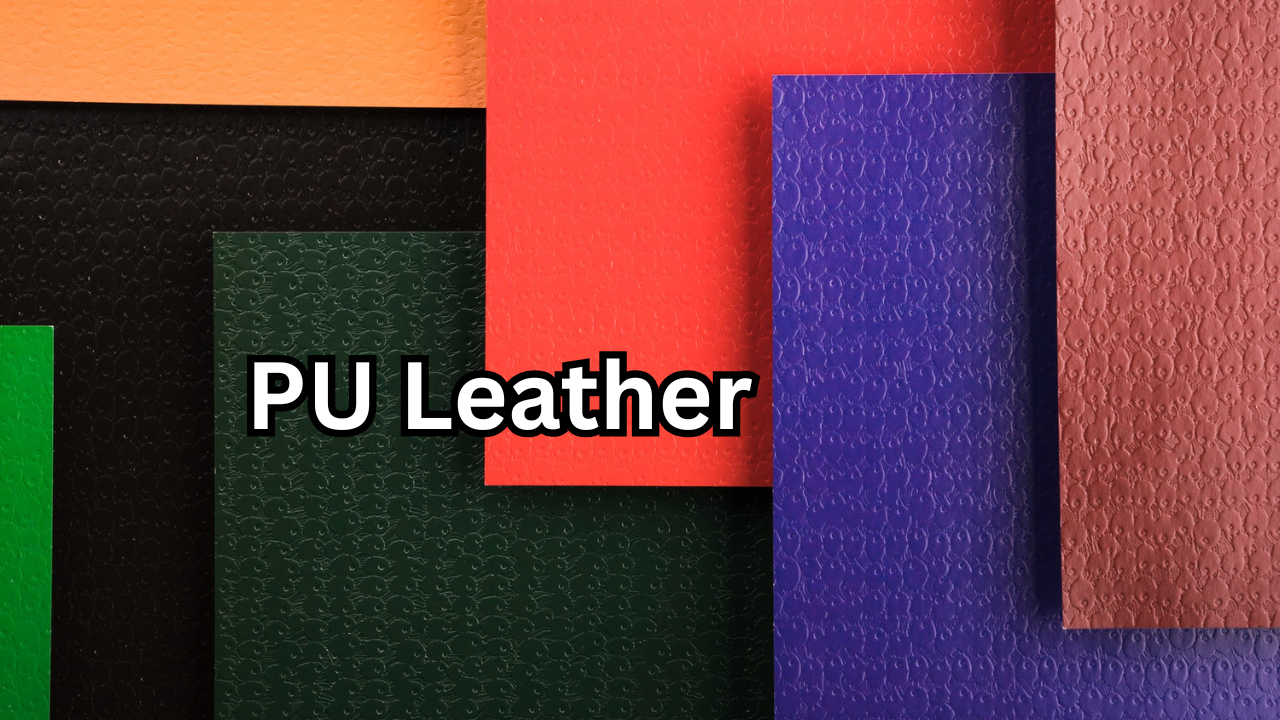
What Is PU Leather?
PU leather, also known as polyurethane leather, is a synthetic material designed to replicate the look and feel of genuine leather without using animal hide. It is made by applying a flexible polymer coating—polyurethane—onto a base material such as split leather or fabric. The result is a durable, stylish, and cost-effective alternative to traditional leather.
Over the past decade, PU leather has gained massive popularity in fashion, furniture, automotive interiors, and accessories. As consumers become more conscious about price, sustainability, and maintenance, PU leather has emerged as a practical solution that balances affordability with modern aesthetics.
Understanding what PU leather is and how it is manufactured helps buyers make informed purchasing decisions, whether for sofas, handbags, jackets, or car seats.
How PU Leather Is Made
The manufacturing process of PU leather involves several key steps. First, a base material is prepared. This base is often polyester or cotton fabric, though sometimes it may include split leather. Next, a polyurethane coating is applied to the surface. This coating is then treated to create texture, grain patterns, and color that closely resemble real leather.
Advanced embossing techniques give PU leather a realistic appearance. Manufacturers can control thickness, softness, and gloss levels depending on the intended application. For example, PU leather used in furniture may be thicker and more durable, while fashion accessories may use softer, more flexible variations.
Because the production process is controlled, PU leather can be made in consistent colors and finishes, unlike natural leather, which varies due to animal hide differences.
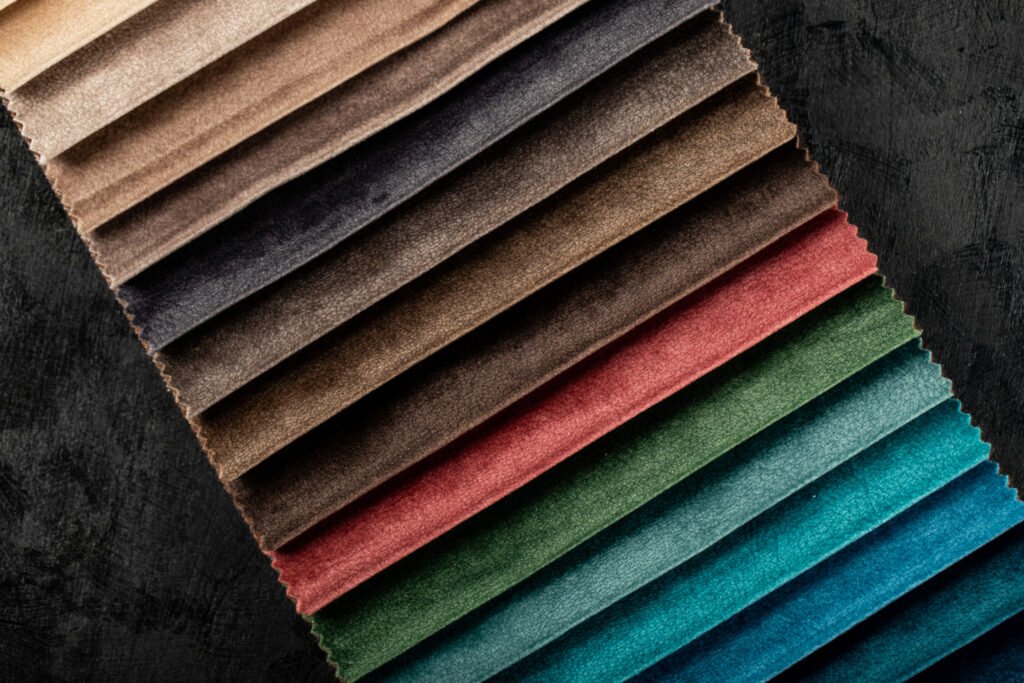
PU Leather vs Genuine Leather
One of the most common questions buyers ask is how PU leather compares to genuine leather. The two materials differ in composition, price, durability, and maintenance.
Genuine leather is made from animal hides and develops a natural patina over time. It is breathable and often considered more luxurious. However, it can be expensive and requires regular conditioning.
PU leather, on the other hand, is more affordable and easier to maintain. It resists moisture better than genuine leather and does not require special conditioning products. While it may not age in the same way as real leather, high-quality PU leather can look elegant and perform well for many years.
For customers seeking cruelty-free or vegan alternatives, PU leather is a preferred option.
Key Benefits of PU Leather
PU leather offers numerous advantages that make it a top choice for manufacturers and consumers alike.
First, affordability is a major benefit. Products made from PU leather are generally much cheaper than genuine leather items, making stylish designs accessible to a wider audience.
Second, PU leather is easy to clean. Most spills can be wiped away with a damp cloth. Unlike natural leather, it does not absorb moisture as quickly.
Third, it is available in a wide variety of colors and textures. Designers can experiment with bold finishes, glossy surfaces, matte looks, and custom patterns.
Another important advantage is animal-friendliness. Since PU leather does not use animal hide, it appeals to vegan and environmentally conscious consumers.
Finally, PU leather is lightweight compared to genuine leather, which makes it ideal for jackets, bags, and travel accessories.
Common Uses of PU Leather
PU leather is widely used across multiple industries due to its versatility and cost-effectiveness.
In the fashion industry, it is commonly used for handbags, wallets, belts, jackets, and shoes. The ability to mimic high-end leather textures at lower prices makes it attractive for both brands and customers.
In furniture manufacturing, PU leather is frequently used for sofas, office chairs, dining chairs, and headboards. It provides a sleek, modern look and is easy to maintain in homes and offices.
Automotive interiors also rely heavily on PU leather for seat covers, steering wheel wraps, and door panels. Its resistance to moisture and ease of cleaning make it suitable for everyday use.
Additionally, PU leather is used in book covers, phone cases, and other lifestyle accessories where durability and style are equally important.
Is PU Leather Durable?
Durability depends largely on quality. High-quality PU leather can last several years with proper care. It resists cracking and peeling when maintained correctly, though lower-grade versions may wear out faster.
One factor that influences durability is thickness. Thicker PU leather tends to be more resistant to tearing and abrasion. The type of base material also plays a role in longevity.
While PU leather may not last as long as premium genuine leather in some cases, it offers excellent value for its price range.
To maximize lifespan, avoid excessive heat, direct sunlight, and sharp objects. Regular gentle cleaning also helps maintain its appearance.
How to Care for PU Leather
Proper care significantly extends the life of PU leather products. The good news is that maintenance is simple.
Start by cleaning regularly with a soft cloth. For deeper cleaning, use mild soap mixed with water. Avoid harsh chemicals or alcohol-based cleaners, as they may damage the polyurethane coating.
Keep PU leather items away from prolonged direct sunlight to prevent fading or drying. If the product gets wet, wipe it dry promptly.
Unlike genuine leather, PU leather does not require conditioning oils. In fact, applying leather conditioners designed for natural leather may damage synthetic surfaces.
Storing items in cool, dry places also helps prevent cracking or peeling.
Environmental Considerations
Many consumers wonder about the environmental impact of PU leather. While it does not involve animal farming, which reduces certain environmental concerns, it is still a synthetic material derived from plastics.
The production process requires chemicals and energy. However, some manufacturers are now developing eco-friendly polyurethane alternatives with reduced environmental impact.
Compared to PVC leather, PU leather is generally considered less harmful because it does not release dioxins during production.
When evaluating sustainability, it is important to consider the full lifecycle of the product, including durability and disposal.
Types of PU Leather
There are several types of PU leather available in the market, each designed for specific purposes.
Bonded PU leather combines shredded leather fibers with polyurethane, offering a semi-synthetic option.
Full synthetic PU leather uses fabric as the base without any real leather components.
Bi-cast leather is split leather coated with polyurethane, providing the look of full-grain leather at a lower cost.
Understanding the type helps buyers choose the right material for their needs.
How to Identify High-Quality PU Leather
Not all PU leather products are equal. When shopping, check the surface texture. High-quality PU leather feels smooth and flexible rather than stiff or plastic-like.
Examine stitching and finishing. Well-made items typically have neat seams and consistent color.
Smell can also be an indicator. Strong chemical odors may suggest lower-quality production.
Finally, read product descriptions carefully. Reputable brands clearly specify materials and manufacturing details.
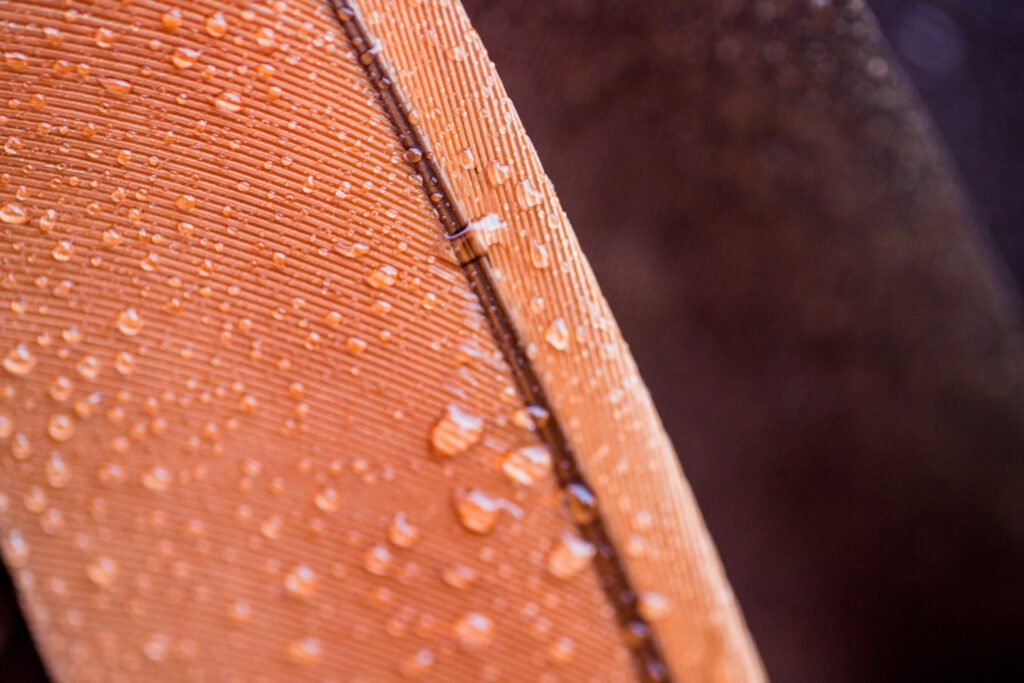
Is PU Leather Waterproof?
PU leather is water-resistant but not completely waterproof. It repels light moisture and spills, making it suitable for everyday use. However, prolonged exposure to water may eventually weaken the adhesive layers.
For outdoor furniture or heavy rain conditions, specialized waterproof materials may be more appropriate.
Why PU Leather Is Popular in Modern Design
Modern interior and fashion trends favor minimalism, sleek finishes, and affordability. PU leather fits perfectly into these trends. Its ability to mimic luxury materials while remaining budget-friendly makes it ideal for contemporary spaces.
Brands can quickly adapt to changing trends by producing PU leather in new colors and textures. This flexibility supports fast fashion and rapid product innovation.
Consumers benefit from stylish products without the high cost associated with genuine leather.
Final Thoughts on PU Leather
PU leather has become one of the most popular synthetic materials in today’s market. Its affordability, versatility, ease of maintenance, and animal-friendly nature make it a compelling alternative to genuine leather.
Also Read: Hayati: Meaning, Origins, Cultural Significance, and Modern Popularity