
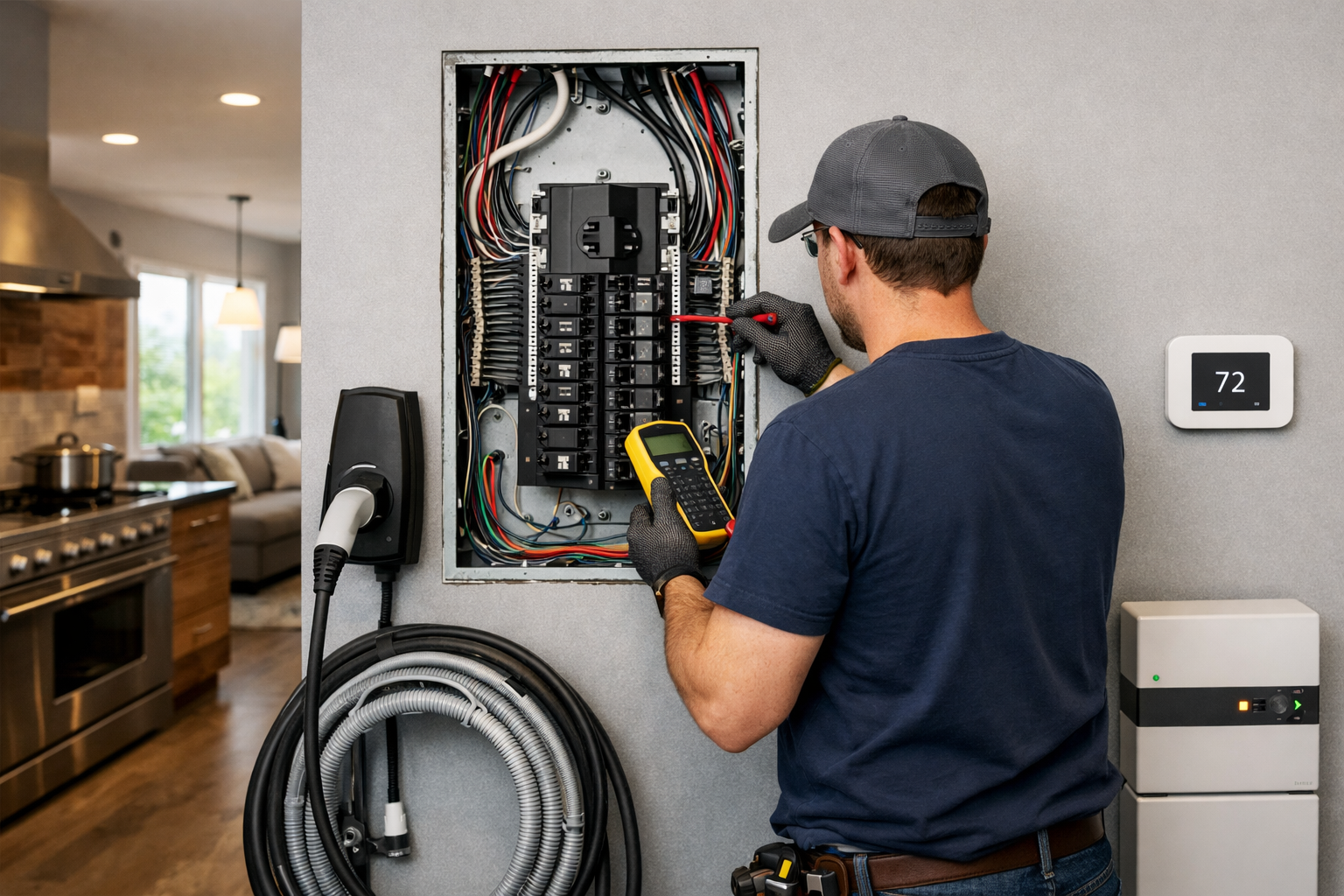
We will explore how electrical panel upgrades serve as a foundational step in transitioning modern households toward full electrification. As homes adopt advanced appliances, heating systems, and renewable integrations, the demand placed on electrical infrastructure continues to rise. Older panels, originally designed for limited consumption, often struggle to support these evolving requirements. This mismatch can lead to inefficiencies, safety concerns, and missed opportunities for energy optimization. Understanding the significance of upgrading electrical panels is essential for homeowners aiming to create a more resilient, efficient, and future-ready living environment.
The Shift Toward Electrified Living Spaces
The concept of whole-home electrification is rapidly reshaping how residential environments function. Instead of relying on a mix of gas, oil, and electricity, modern homes are transitioning toward fully electric systems, including heating, cooking, water heating, and transportation charging. This shift is driven by a combination of environmental awareness, technological innovation, and the push for improved indoor air quality. However, appliances such as heat pumps, induction stoves, and electric vehicle chargers promise efficiency and performance, but they also impose higher electrical loads that older panels were never designed to handle.
Many legacy panels operate at capacities that were sufficient decades ago but now fall short of accommodating the simultaneous use of multiple high-demand systems. Without an upgrade, homeowners may experience frequent breaker trips, voltage instability, or even overheating. Electrification is not simply about replacing appliances; it requires a comprehensive reevaluation of the home’s electrical backbone to ensure compatibility and reliability under increased demand conditions. Homeowners working with UniColorado Heating & Cooling near Denver can integrate these upgrades seamlessly while ensuring their electrified systems operate efficiently and safely.
Understanding the Limitations of Outdated Electrical Panels
Electrical panels serve as the central distribution point for power throughout a home, but their capabilities are not infinite. Older panels, particularly those rated at 100 amps or lower, often lack the capacity to support modern electrical needs. Additionally, aging components can degrade, reducing efficiency and increasing the likelihood of malfunctions. Wiring connections may loosen, breakers may become less responsive, and the overall system may struggle to maintain consistent power delivery. These limitations become more pronounced when new electrified systems are introduced, placing additional strain on already taxed infrastructure.
Another critical factor is the limited circuit space in older panels, which restricts the ability to safely add new appliances or dedicated circuits. Homeowners attempting to integrate advanced technologies without upgrading their panel may resort to temporary fixes, such as extension cords or shared circuits, which can elevate safety risks. Addressing these limitations through a panel upgrade not only resolves current constraints but also establishes a more stable and adaptable electrical framework for future enhancements.
Enhancing Efficiency and Energy Management Through Upgrades
Upgrading an electrical panel is not solely about increasing capacity; it also plays a significant role in improving overall energy management within the home. Modern panels are designed to distribute electricity more efficiently, reducing energy loss and enabling better control over consumption patterns. With the integration of smart technologies, upgraded panels can provide insights into energy usage, allowing homeowners to identify high-consumption areas and adjust accordingly. This level of visibility supports more informed decision-making, whether it involves optimizing appliance usage or planning further energy-saving investments.
Additionally, newer panels are better equipped to handle renewable energy sources, such as solar power systems, which require seamless integration with the home’s electrical network. By facilitating smoother energy flow and accommodating bidirectional power, upgraded panels help maximize the benefits of renewable installations. This alignment between infrastructure and technology ensures that electrified homes operate not only with greater capacity but also with improved efficiency and sustainability over time.
Supporting Future Innovations and Lifestyle Demands
As technology continues to evolve, the electrical demands of households are expected to grow even further. From home automation systems to advanced climate control solutions, the modern living experience is increasingly dependent on reliable, robust electrical infrastructure. An upgraded panel acts as a forward-looking investment, preparing homes to accommodate emerging innovations without requiring repeated modifications. For instance, the growing adoption of electric vehicles introduces the need for dedicated charging stations, which can place a significant load on the system. Similarly, advancements in home entertainment, remote work setups, and smart appliances contribute to a steady increase in energy consumption.
By upgrading the panel, homeowners create a flexible foundation that can adapt to these changes without compromising performance or safety. This proactive approach reduces the likelihood of costly retrofits in the future and ensures that the home remains aligned with evolving lifestyle expectations. In this context, the electrical panel becomes more than a functional component; it transforms into a strategic asset that supports long-term adaptability and convenience.
Electrical panel upgrades play a central role in enabling whole-home electrification, bridging the gap between traditional infrastructure and modern energy demands. As households continue to adopt electric systems and technologies, the importance of a capable and efficient electrical backbone becomes increasingly evident. Upgrading the panel not only addresses current limitations but also prepares the home for future advancements, ensuring consistent performance and improved safety. By aligning infrastructure with evolving needs, homeowners can create living spaces that are both adaptable and efficient, supporting a seamless transition to a more electrified, sustainable way of living.
Also Read: How Digital Case Matching Is Reshaping Legal Client Acquisition