
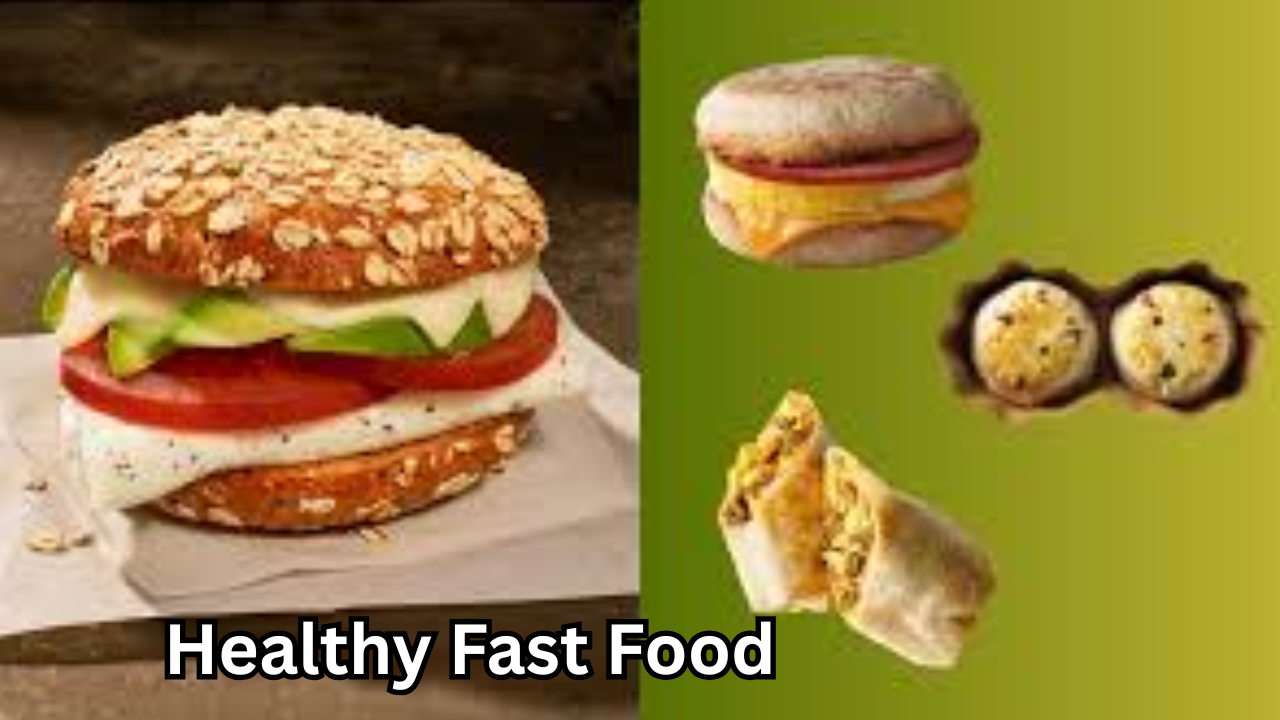
Healthy fast food no longer sounds like an oxymoron, and for good reason. As modern lifestyles become busier, people are actively searching for quick meals that don’t sacrifice nutrition, balance, or long-term wellness. Today’s fast-food landscape has evolved, offering smarter choices that fit into a health-conscious routine without demanding extra time or effort.
Why Fast Food No Longer Means Unhealthy
Fast food earned its poor reputation during an era dominated by oversized portions, excess sodium, and highly processed ingredients. That reality still exists, but it is no longer the full picture. Consumer demand has reshaped menus, pushing chains to rethink ingredients, preparation methods, and transparency.
Many restaurants now offer grilled proteins, whole grains, plant-based options, and customizable meals. Calorie counts are often displayed openly, allowing diners to make informed decisions. This shift proves that convenience and nutrition can coexist when choices are made deliberately.
What Makes Healthy Fast Food a Smart Choice
The idea of healthy fast food rests on balance rather than perfection. A nutritionally sound fast meal typically includes lean protein, fiber-rich carbohydrates, and healthy fats while limiting added sugars and refined oils. Portion control also plays a major role, since even nutritious ingredients can become problematic when overconsumed.
Equally important is ingredient quality. Meals prepared with real vegetables, minimally processed proteins, and simple cooking techniques tend to support better digestion, steady energy levels, and improved satiety. When fast food aligns with these principles, it becomes a practical option rather than a dietary compromise.

Key Nutritional Elements to Look For
Choosing wisely starts with understanding what matters most nutritionally. While every diet has unique needs, certain elements consistently support overall health when eating on the go.
A well-balanced fast meal often emphasizes:
- Lean proteins such as grilled chicken, fish, beans, or tofu
- Complex carbohydrates from whole grains or vegetables
- Natural fats from sources like avocado, nuts, or olive oil
These components work together to stabilize blood sugar, reduce unnecessary cravings, and provide sustained energy throughout the day. When scanning menus, prioritizing these elements helps filter out less beneficial options.
Popular Menu Choices That Support Better Eating
Not all menu items are created equal, even within the same restaurant. Some selections naturally align with wellness goals more than others. Bowls with mixed vegetables and protein, wraps made with whole-grain tortillas, and salads topped with grilled ingredients tend to offer better nutrient density.
Many people turn to healthy fast food options during workdays because they minimize the need for meal prep while still supporting dietary goals. When sauces and dressings are used sparingly, these meals can rival homemade alternatives in nutritional value.
How Portion Control Impacts Fast Food Health
Portion size is one of the most overlooked factors in fast dining. Even meals made with quality ingredients can exceed daily calorie needs if portions are excessive. Choosing smaller sizes or skipping add-ons can dramatically change the nutritional profile of a meal.
Restaurants increasingly offer half portions, kids’ sizes, or customizable bowls. These options make healthy fast food more accessible for people who want convenience without overindulgence. Listening to hunger cues and avoiding “value upgrades” also helps maintain balance.
The Role of Customization and Ingredient Swaps
Customization is a powerful tool when navigating fast-food menus. Simple changes, such as swapping fries for a side salad or choosing grilled instead of fried protein, can significantly improve nutritional outcomes. Removing sugary drinks and opting for water or unsweetened tea further reduces empty calories.
These small decisions add up over time. For many diners, healthy fast food becomes sustainable not because it is perfect, but because it is adaptable to real-life needs and preferences.
Reading Menus With a Health-Focused Mindset
Menus can be overwhelming, especially when marketing language highlights words like “crispy,” “loaded,” or “smothered.” These terms often signal higher fat and sodium content. On the other hand, descriptions that mention grilled, roasted, fresh, or whole-grain usually indicate lighter preparation methods.
Approaching menus strategically helps diners identify healthy fast food choices quickly, even in unfamiliar restaurants. With practice, these decisions become intuitive rather than stressful.

Common Myths About Fast Food and Nutrition
A persistent myth is that fast food can never fit into a balanced lifestyle. While daily reliance on heavily processed meals is not ideal, occasional or strategic choices can support health goals. Another misconception is that healthier options are always bland or unsatisfying, which is increasingly untrue.
Flavor, convenience, and nutrition are no longer mutually exclusive. Modern menus demonstrate that healthy fast food can be enjoyable, filling, and aligned with wellness when selected thoughtfully.
Long-Term Benefits of Making Smarter Fast Food Choices
Consistently choosing better options, even in fast-paced settings, supports long-term health. Improved energy levels, better weight management, and more stable blood sugar are common benefits. Over time, these choices reinforce positive habits rather than cycles of restriction and guilt.
For busy professionals, students, and travelers, healthy fast food offers a realistic bridge between ideal nutrition and everyday life. It removes the all-or-nothing mindset that often derails healthy eating efforts.
Conclusion: Convenience Without Compromise
Fast food is no longer defined solely by excess and poor nutrition. With evolving menus, transparent labeling, and increased customization, it has become possible to eat quickly without abandoning health priorities. The key lies in awareness, portion control, and informed decision-making.
By understanding what to look for and how to adapt meals, healthy fast food becomes a dependable option rather than a last resort. In a world where time is limited, choosing smarter convenience foods is not just practical—it is empowering.
Also Read: Veohentak: A Powerful and Positive Deep-Dive Into Its Meaning, Use, and Digital Relevance