
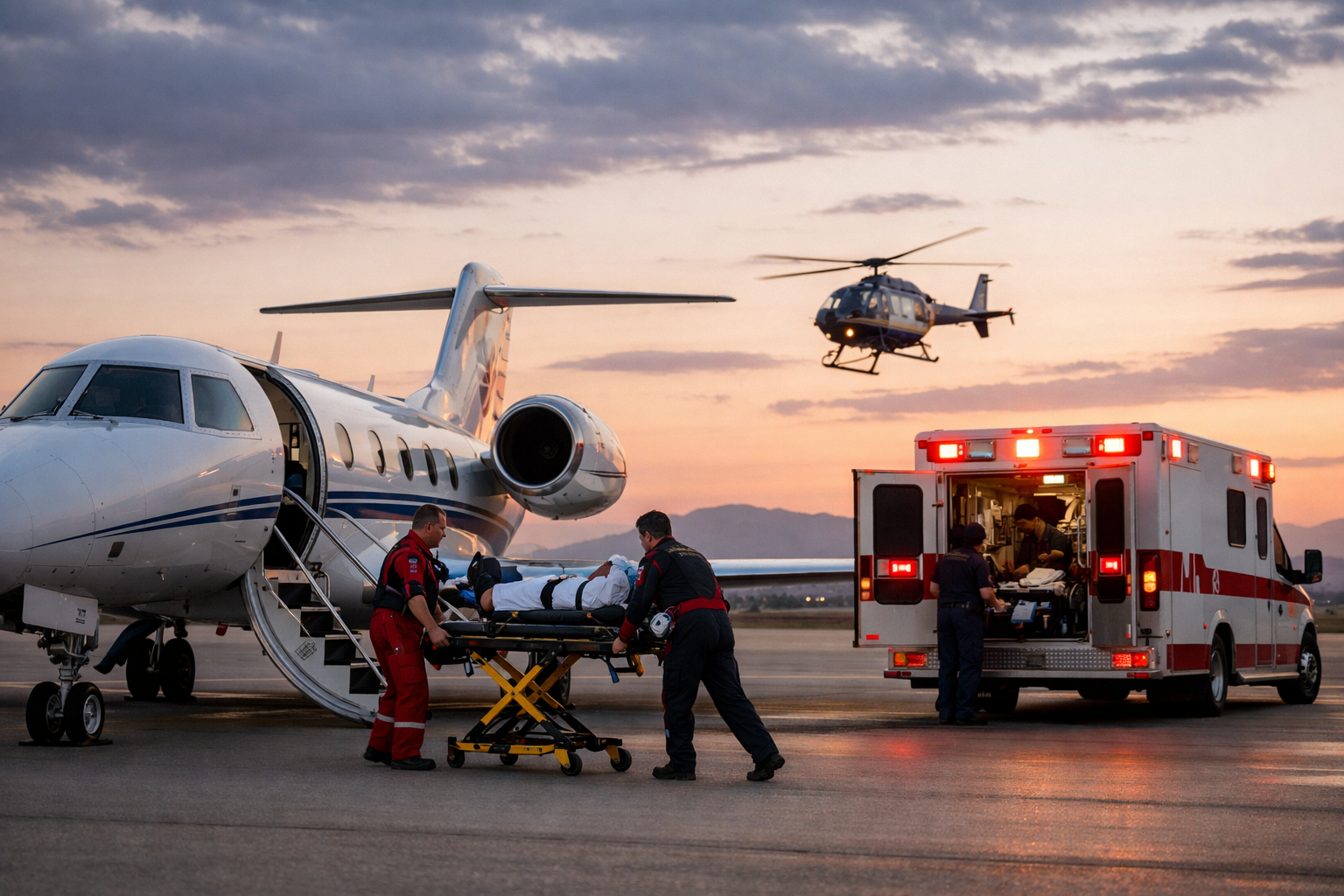
Emergency medical situations often demand immediate and decisive action to save lives, and in many cases, reaching the appropriate healthcare facility promptly is a matter of survival. Long-distance medical transport plays a critical role in bridging the gap between patients in remote locations or areas lacking advanced healthcare and hospitals equipped to provide comprehensive treatment. We will explore how such transport systems function, the benefits they bring to emergency care, and the ways they enhance the overall healthcare ecosystem. From specialized equipment to trained personnel and coordination networks, long-distance medical transport ensures that critical care is delivered when it matters most, allowing patients to access timely interventions that can dramatically influence outcomes.
Rapid Access to Advanced Medical Facilities
One of the most significant contributions of long-distance medical transport is the provision of swift access to advanced medical facilities that may not be locally available. Many regions, particularly rural or isolated areas, lack the infrastructure for complex procedures such as cardiac surgery, advanced trauma care, or neonatal intensive care. By facilitating rapid transport via air or ground vehicles, patients can receive the appropriate treatment within critical time windows. Companies like CienOne play a vital role in coordinating these transports, ensuring careful planning and the ability to stabilize patients during transit, allowing for continuous monitoring and intervention en route. Hospitals at the receiving end are notified in advance, enabling medical teams to prepare for immediate action upon arrival, thereby reducing delays and improving the likelihood of positive outcomes.
Continuous Medical Support During Transport
Unlike conventional transportation methods, long-distance medical transport provides ongoing medical support throughout the journey. Vehicles used for these services are equipped with medical monitoring devices, oxygen supplies, medications, and emergency life-support equipment. Trained personnel accompany patients to manage any complications that may arise during transport. Continuous medical support ensures that conditions such as cardiac arrest, respiratory failure, or severe trauma are addressed immediately, rather than waiting until arrival at a hospital. This level of care can be the difference between life and death in critical scenarios. The combination of technology, preparation, and skilled personnel creates a mobile environment where patients continue to receive necessary care without interruption, extending the reach of emergency services far beyond local capabilities.
Coordination and Communication Networks
Efficient long-distance medical transport relies heavily on coordination and communication between healthcare providers, transport teams, and receiving facilities. Before and during transport, medical teams communicate patient status, vital signs, and required interventions to ensure seamless care. Modern transport systems integrate real-time data sharing, GPS tracking, and telemedicine, allowing medical staff at both ends to make informed decisions throughout the journey. This networked approach also helps manage logistical challenges, such as navigating weather conditions, traffic, or regulatory constraints. Effective coordination ensures that resources are used efficiently, and patients experience minimal delays, enhancing the overall quality of emergency care and reinforcing the reliability of healthcare delivery across regions.
Expanding Reach in Crisis Situations
Long-distance medical transport proves invaluable during large-scale emergencies, natural disasters, or mass-casualty events. In situations where local medical facilities are overwhelmed or inaccessible, transport systems extend the reach of emergency care, allowing patients to be moved to operational hospitals for treatment. This capacity to redistribute patients according to urgency and resource availability prevents local healthcare systems from becoming overstretched and ensures that care is delivered to those in critical need. Furthermore, during pandemics or outbreaks, transport services facilitate the safe movement of patients to facilities equipped for isolation and treatment, reducing risks of transmission. In essence, long-distance transport strengthens the resilience of healthcare systems during high-demand scenarios and guarantees that life-saving interventions are not confined by geography.
Integration with Healthcare Infrastructure
Long-distance medical transport is most effective when integrated with the broader healthcare infrastructure. Hospitals, clinics, and emergency response units must coordinate to create protocols that guide patient selection, transport routes, and intervention priorities. Integration allows for smooth handoffs, proper documentation, and alignment with patient care plans, minimizing the risk of errors during transit. Moreover, having standardized procedures ensures that medical staff on the transport team operate in sync with hospital teams, creating a seamless continuum of care. The integration also extends to insurance coverage, regulatory compliance, and logistical support, all of which contribute to a reliable and sustainable system that enhances the overall efficiency of emergency medical services.
Patient-Centered Outcomes
Ultimately, the value of long-distance medical transport is measured by its impact on patient outcomes. By reducing the time to receive critical interventions, providing continuous care during transit, and enabling access to facilities capable of managing complex conditions, these services significantly improve survival rates and recovery prospects. Patients benefit not only from timely treatment but also from reduced stress and uncertainty, knowing that they are supported by trained personnel throughout the journey. In addition, families are informed and involved in the process, which can improve overall satisfaction with healthcare services. The focus on patient-centered outcomes reinforces the role of long-distance transport as a vital component of emergency care systems.
Long-distance medical transport plays a crucial role in enhancing emergency care by bridging the gap between patients and advanced medical facilities. Integration with healthcare infrastructure ensures that patients receive uninterrupted, high-quality interventions, while a focus on outcomes demonstrates tangible benefits for survival and recovery. Furthermore, these transport systems strengthen public health capabilities by ensuring equitable access and maintaining the resilience of the healthcare system. By extending the reach of emergency services, long-distance medical transport redefines how timely care is delivered, ultimately saving lives and improving the quality of healthcare delivery across regions.
Also Read: Husband Yasmine Bleeth Net Worth: The Untold Truth of Wealth, Fame, and a Quiet Yet Powerful Life