
What Is a Dubai Chocolate Bar?
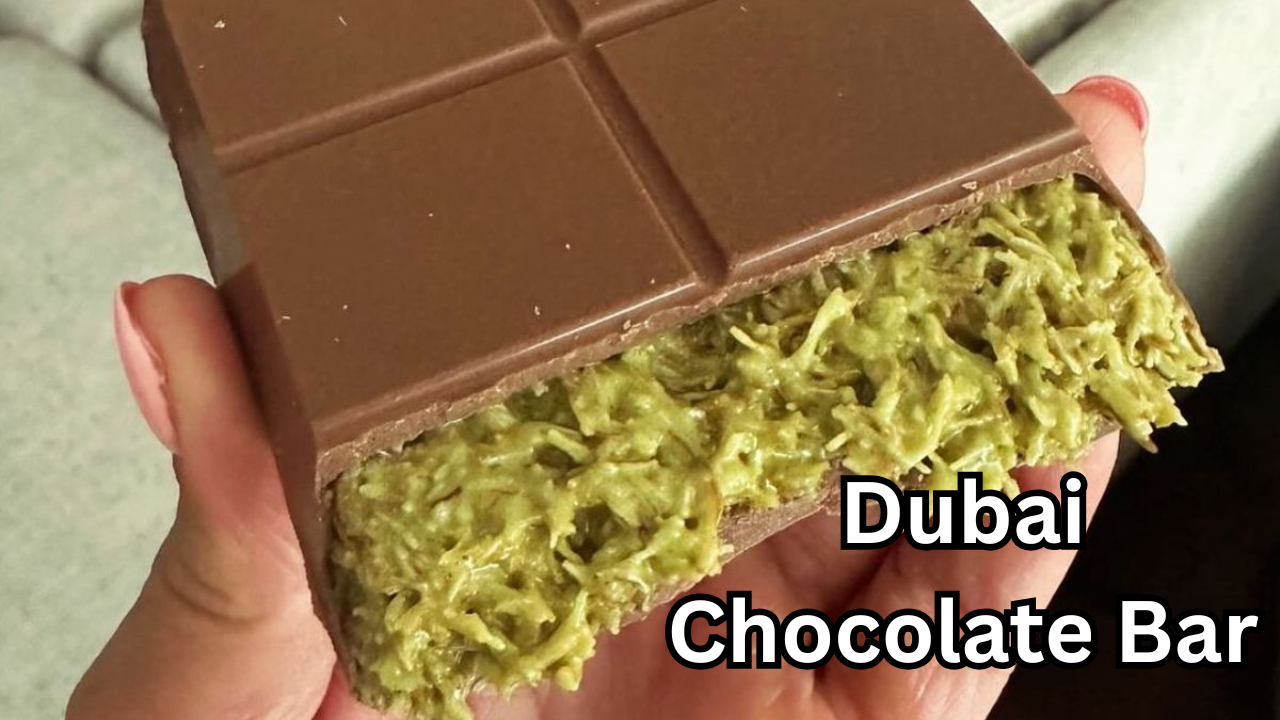
The Dubai chocolate bar has become one of the most talked-about desserts in recent years, capturing global attention for its luxurious ingredients, artistic presentation, and rich Middle Eastern influence. Unlike ordinary chocolate bars, this indulgent creation blends premium chocolate with ingredients inspired by the flavors of Dubai, such as pistachio cream, knafeh, tahini, saffron, and edible gold.
Dubai is known worldwide for its extravagance, innovation, and love for high-end culinary experiences. From gold-encrusted desserts to gourmet confections, the city has redefined the luxury of sweets. The Dubai chocolate bar perfectly reflects this culture — it’s not just chocolate, it’s an experience.
In recent months, this treat has gone viral across social media platforms like TikTok and Instagram, where food creators showcase the dramatic “crack” sound when breaking the bar open to reveal its creamy, crunchy filling. Its eye-catching appearance and satisfying texture have made it a global sensation.
Why Dubai Chocolate Bars Are Going Viral
The popularity of the Dubai chocolate bar is not accidental. Several factors contribute to its viral status:
First, the visual appeal is unmatched. Many Dubai chocolate bars are decorated with edible gold flakes, glossy chocolate shells, and perfectly piped pistachio fillings. They look luxurious even before you taste them.
Second, the texture combination is irresistible. A thick chocolate shell encases a filling made of creamy pistachio paste and crispy knafeh strands. When you bite into it, you experience crunch, creaminess, and smooth chocolate all at once.
Third, social media has amplified its fame. Influencers showcase slow-motion breaking shots and reaction videos that spark curiosity. People want to taste what everyone is talking about.
Finally, the flavor profile is unique. It combines Middle Eastern dessert traditions with European chocolate craftsmanship, creating a fusion that appeals to global audiences.
The Key Ingredients That Make It Special
What truly sets a Dubai chocolate bar apart is its carefully selected ingredients. Each component plays an essential role in delivering a premium taste.
Premium Belgian or Swiss chocolate is often used for the outer shell. This ensures a rich, smooth melt and deep cocoa flavor.
Pistachio cream is the star of the filling. High-quality pistachios are ground into a silky paste that adds nutty richness and vibrant green color.
Knafeh, a traditional Middle Eastern dessert made from shredded phyllo dough, is lightly toasted and mixed into the filling to provide crunch.
Tahini or white chocolate may be added to enhance creaminess and balance sweetness.
Some luxury versions include saffron for aroma or edible gold flakes for decoration, elevating the chocolate bar to a gourmet level.
These ingredients combine to create a dessert that feels premium, exotic, and unforgettable.
The Influence of Middle Eastern Desserts
Dubai chocolate bars are heavily inspired by iconic Middle Eastern sweets such as baklava and knafeh. These desserts are known for their nutty fillings, syrupy sweetness, and crispy textures.
Knafeh, in particular, plays a significant role. Traditionally made with shredded pastry, cheese, and sugar syrup, knafeh is beloved across the Middle East. By incorporating crispy knafeh strands into chocolate bars, confectioners have reimagined a classic dessert in a modern form.
This fusion of traditional flavors with contemporary presentation makes the Dubai chocolate bar stand out in the global confectionery market.
How Dubai Chocolate Bars Compare to Regular Chocolate
A standard chocolate bar typically contains cocoa, sugar, milk solids, and flavorings. While delicious, it remains relatively simple.
In contrast, a Dubai chocolate bar offers:
A thicker chocolate shell
A layered, textured filling
Premium imported ingredients
Luxury presentation
Unique Middle Eastern flavors
It’s less of a snack and more of a gourmet dessert. The experience is richer, more indulgent, and often more expensive — but for many, it’s worth it.
Where to Buy Authentic Dubai Chocolate Bars
Dubai chocolate bars are available in specialty dessert shops across Dubai and increasingly in international gourmet stores. Many small dessert brands also ship worldwide through online platforms.
When purchasing, look for these signs of authenticity:
High-quality packaging
Clear ingredient list
Premium chocolate source
Fresh production date
Strong customer reviews
Be cautious of low-cost imitations that use artificial flavors instead of real pistachio or low-grade chocolate.
Can You Make Dubai Chocolate Bars at Home?
Yes, you can recreate a version of the Dubai chocolate bar at home with the right ingredients and patience.
To make it, you will need:
High-quality chocolate
Pistachio cream or pistachio paste
Toasted knafeh strands
Silicone chocolate molds
First, melt the chocolate and coat the molds. Let it set. Then, mix the pistachio cream with the toasted knafeh and fill the molds. Seal with another layer of chocolate and refrigerate until firm.
While homemade versions may not match professional presentation, they can still deliver a delicious experience.
Why Dubai Chocolate Bars Are Expensive
Many people wonder why Dubai chocolate bars cost more than regular chocolate.
The higher price comes from several factors:
Premium imported chocolate
Real pistachios, which are costly
Handcrafted preparation
Luxury branding and packaging
Limited production batches
Additionally, Dubai’s reputation for luxury contributes to its pricing perception. Consumers associate Dubai products with exclusivity and quality, which justifies the premium tag.
The Role of Social Media in Its Popularity
Social media platforms have played a massive role in making the Dubai chocolate bar famous worldwide.
Food influencers often highlight:
The crunchy sound when breaking it
The creamy pistachio pull
The aesthetic gold decoration
The luxurious packaging
These videos generate millions of views, encouraging viewers to try it themselves. The visual satisfaction factor cannot be underestimated in today’s digital food culture.
Health Considerations
While incredibly delicious, Dubai chocolate bars are indulgent treats. They typically contain:
High sugar content
Rich fats from chocolate and pistachio
Dense calories
However, pistachios offer some nutritional benefits, including healthy fats, protein, and antioxidants. When enjoyed in moderation, this chocolate bar can be part of a balanced lifestyle.
If you are watching your sugar intake, consider sharing one bar rather than consuming it alone.
Dubai Chocolate Bar as a Gift
Because of its luxurious look and unique flavor, the Dubai chocolate bar makes an excellent gift. It is ideal for:
Eid celebrations
Wedding favors
Corporate gifts
Birthdays
Luxury hampers
Its elegant packaging and premium feel make it a memorable present that stands out from ordinary sweets.
The Future of Dubai Chocolate Bars
The global success of the Dubai chocolate bar suggests that it is more than a short-term trend. As more chocolatiers experiment with Middle Eastern flavors, we may see new variations such as:
Dark chocolate pistachio crunch
White chocolate saffron fusion
Rose-infused pistachio bars
Vegan versions with dairy-free chocolate
Innovation will likely continue as demand grows internationally.
Tips for Choosing the Best Dubai Chocolate Bar
If you want the best experience, keep these tips in mind:
Choose bars with visible pistachio filling
Check for real knafeh strands
Avoid artificial green coloring
Select brands with strong online reviews
Store in a cool, dry place to maintain texture
Quality makes a huge difference in taste and texture.
Final Thoughts on Dubai Chocolate Bar
The Dubai chocolate bar is more than just a sweet treat — it represents luxury, cultural fusion, and social media influence all wrapped into one indulgent dessert. Its rich chocolate shell, creamy pistachio filling, and crispy knafeh texture create a flavor combination that feels both traditional and modern.
Also Read: Google Voice for Business: The Ultimate Guide to Smart, Affordable, and Scalable Communication