
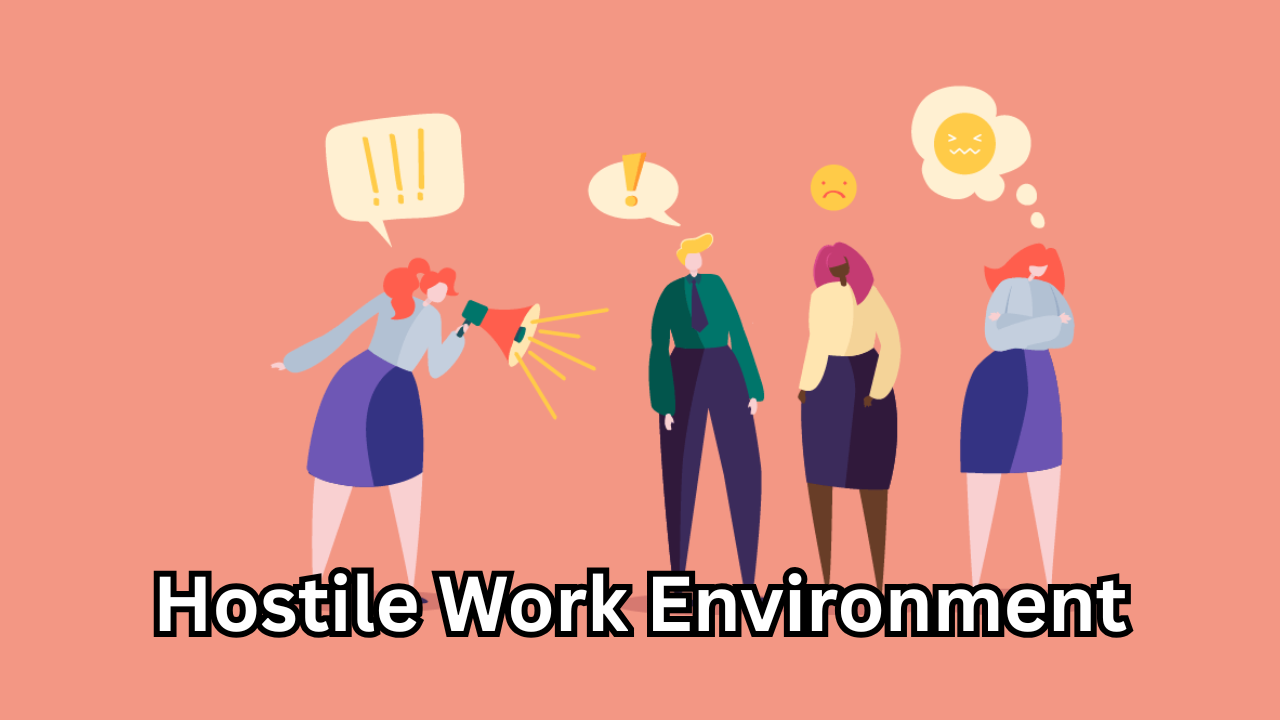
What Is a Hostile Work Environment?
A hostile work environment refers to a workplace where an employee feels intimidated, threatened, offended, or abused due to unwelcome behavior that interferes with their ability to perform their job. This type of environment is not defined by a single unpleasant incident but by ongoing or severe conduct that creates fear, stress, or emotional distress.
In professional terms, a HostileWorkEnvironment exists when discriminatory behavior, harassment, or verbal or physical abuse becomes so persistent or extreme that it negatively affects an employee’s work performance or mental well-being. This behavior can come from supervisors, coworkers, clients, or anyone within the workplace.
Understanding what qualifies as a hostile work environment is crucial because not every conflict or disagreement at work meets the legal or professional definition.
Key Characteristics of a Hostile Work Environment
A hostile work environment usually develops over time and shares several common characteristics. One of the most important factors is that the behavior is unwelcome. If the employee did not invite or encourage the conduct, it may qualify as harassment.
Another defining feature is severity or frequency. A single minor comment may not be enough, but repeated insults, threats, or discriminatory remarks often are. In some cases, one extremely serious incident can be enough to create a hostile work environment.
The behavior must also be disruptive. If it interferes with the employee’s ability to work, focus, or feel safe, it strengthens the case that the environment is hostile.

Common Examples of a Hostile Work Environment
Hostile work environments can appear in many forms, and not all of them are obvious. Some examples include repeated verbal abuse, such as yelling, mocking, or using humiliating language toward an employee. Persistent offensive jokes or comments related to race, gender, religion, disability, or age are also common indicators.
Other examples include unwanted physical contact, threatening gestures, intimidation, or deliberately excluding someone from meetings or opportunities as a form of punishment or control. Even non-verbal actions, such as displaying offensive images or symbols, can contribute to a hostile work environment.
It is important to note that harassment does not have to be directed at only one person. If the overall atmosphere is toxic and discriminatory, multiple employees may be affected.
What Does Not Qualify as a Hostile Work Environment?
Not every unpleasant workplace situation qualifies as a hostile work environment. Occasional disagreements, constructive criticism, or performance evaluations—even if uncomfortable—are typically considered part of normal professional life.
A demanding boss, strict deadlines, or high expectations do not automatically create a hostile work environment. Similarly, a single rude comment or isolated argument usually does not meet the legal standard unless it is extremely severe.
Understanding this distinction helps employees recognize legitimate workplace issues without confusing them with unlawful or hostile conduct.
Legal Definition of a Hostile Work Environment
From a legal perspective, a hostile work environment is often linked to workplace discrimination laws. In many countries, including the United States, the behavior must be connected to a protected characteristic such as race, gender, religion, national origin, age, or disability.
The law generally requires that the conduct be either severe or pervasive enough to create an abusive working environment. Courts often examine whether a reasonable person would find the environment intimidating or offensive.
Employers can be held legally responsible if they knew—or should have known—about the hostile work environment and failed to take appropriate action.
Hostile Work Environment and Workplace Harassment
Workplace harassment is one of the most common causes of a hostile work environment. Harassment can be verbal, physical, visual, or psychological. It may involve insults, slurs, threats, or inappropriate jokes that target an individual or group.
Sexual harassment, in particular, is a frequent contributor. Unwanted advances, inappropriate comments, or pressure for favors can quickly turn a workplace toxic and unsafe.
When harassment becomes regular or severe, it stops being a personal issue and becomes an organizational failure that must be addressed immediately.
Effects of a Hostile Work Environment on Employees
A hostile work environment can have serious consequences for employees. Mentally, it often leads to anxiety, depression, low self-esteem, and emotional exhaustion. Employees may experience constant stress or fear, which can spill over into their personal lives.
Professionally, productivity and performance usually decline. Employees may struggle to concentrate, avoid collaboration, or lose motivation. Increased absenteeism and high turnover rates are common signs of a hostile work environment.
Over time, the emotional toll can cause burnout, long-term mental health issues, and loss of career confidence.
Impact of a Hostile Work Environment on Businesses
Businesses also suffer when a hostile work environment is allowed to continue. Employee morale drops, teamwork breaks down, and trust in leadership erodes. Talented employees often leave, increasing recruitment and training costs.
From a legal standpoint, companies risk lawsuits, financial penalties, and reputational damage. A publicized hostile work environment can severely harm a brand’s image and make it difficult to attract top talent.
Creating a respectful and inclusive workplace is not only ethical but also essential for long-term business success.
How to Prove a Hostile Work Environment
Proving a hostile work environment requires documentation and evidence. Employees should keep records of incidents, including dates, times, locations, witnesses, and descriptions of what occurred.
Saving emails, messages, or written communication that demonstrate harassment or discrimination is also important. Witness statements from coworkers can strengthen a claim significantly.
Reporting the behavior through proper internal channels, such as human resources, helps establish that the employer was aware of the issue.
What to Do If You Are Experiencing a Hostile Work Environment
If you believe you are experiencing a hostile work environment, the first step is to understand your company’s policies. Many organizations have clear procedures for reporting harassment or discrimination.
Document everything and report the issue to a supervisor or the human resources department as soon as possible. If the behavior continues or the employer fails to act, seeking legal advice may be appropriate.
It is also important to prioritize your mental health. Talking to a trusted friend, counselor, or professional can help you cope while you address the situation.

Employer Responsibilities in Preventing a Hostile Work Environment
Employers have a responsibility to create and maintain a safe, respectful workplace. This includes implementing clear anti-harassment policies, providing regular training, and encouraging open communication.
When complaints arise, employers must investigate promptly and take corrective action if necessary. Ignoring or minimizing complaints can make the organization legally liable.
Strong leadership and accountability play a crucial role in preventing hostile work environments from developing.
How to Create a Healthy and Respectful Workplace Culture
A positive workplace culture starts with respect, inclusion, and transparency. Encouraging diversity, promoting teamwork, and setting clear behavioral expectations help prevent hostility.
Managers should lead by example, addressing issues early and fostering open dialogue. Employees should feel safe reporting concerns without fear of retaliation.
A healthy work environment benefits everyone by improving morale, productivity, and long-term organizational stability.
Final Thoughts on Hostile Work Environment Awareness
Understanding the meaning and impact of a hostile work environment is essential for both employees and employers. What may start as subtle disrespect can escalate into serious harm if left unaddressed.
By recognizing the signs early, documenting behavior, and taking appropriate action, individuals and organizations can protect themselves and promote a healthier workplace.
Creating respectful, inclusive, and supportive work environments is not just a legal requirement—it is a professional and human responsibility.
Also Read: Emerald Green: Meaning, Uses, Style Ideas, and Why This Timeless Color Never Fades