
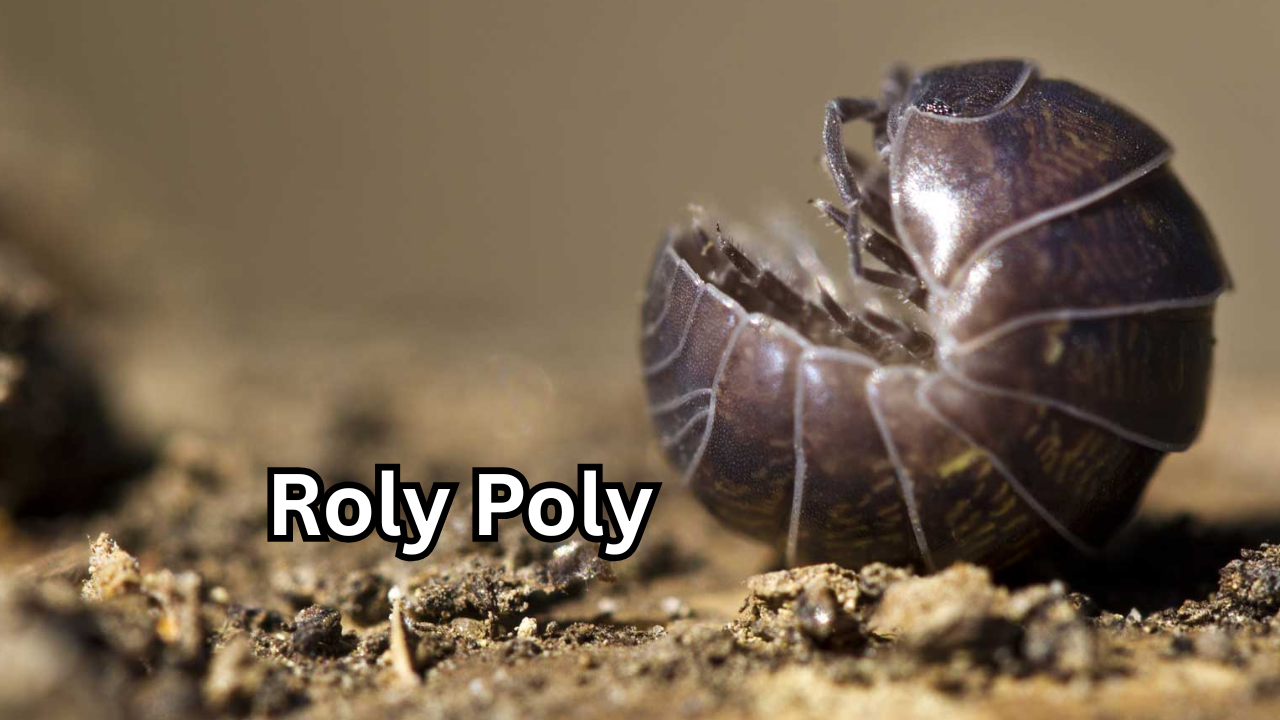
Roly poly is a small, familiar creature that many people remember from childhood gardens, curious hands, and moments of wonder, making it an endlessly interesting subject in nature, home ecosystems, and education. Often spotted under rocks, flower pots, or damp soil, this tiny armored animal plays a much bigger role than most people realize, which is why understanding it offers both practical and educational value.
Understanding What This Creature Really Is
Despite its common nickname, this animal is not an insect at all. It belongs to a group of land-dwelling crustaceans, meaning it is more closely related to shrimp and crabs than to ants or beetles. This distinction matters because it explains many of its unusual traits, such as its need for moisture and its segmented, shell-like body.
One of the most fascinating characteristics of the roly-poly is its ability to curl into a tight ball when threatened. This defense mechanism protects its softer underside from predators and environmental stress. The behavior is also where its popular name comes from, as the rolling motion looks playful and almost intentional.
Why These Creatures Prefer Damp Environments
Moisture is essential for survival because they breathe through specialized gill-like structures. Without adequate humidity, dehydration becomes a serious risk. That is why these animals are most active at night or after rainfall, when conditions are cooler and wetter.
In gardens and yards, they naturally gravitate toward decaying leaves, compost piles, and shaded soil. These areas provide both shelter and food, making them ideal habitats. While their presence sometimes worries homeowners, they are generally harmless and often beneficial.

Ecological Benefits You Might Not Expect
In many ecosystems, these small crustaceans act as natural recyclers. They feed on decomposing plant material, breaking it down into smaller particles that enrich the soil. This process improves soil structure and helps nutrients return to the environment more efficiently.
Gardeners who understand the ecological role of the roly poly often appreciate its contribution rather than seeing it as a pest. By accelerating decomposition, it supports healthier plant growth and encourages beneficial microbial activity underground.
Occasionally, in large numbers, they may nibble on tender seedlings. However, this behavior usually occurs when decaying matter is scarce, and it can often be managed through simple habitat adjustments rather than chemical solutions.
Roly Poly in Gardens and Homes
Roly poly and soil health
When found in moderate numbers, the roly poly is a strong indicator of healthy soil. Its presence suggests adequate organic matter and balanced moisture levels. Many sustainable gardeners consider it a sign that the ecosystem is functioning properly.
If these creatures wander indoors, it is usually accidental. Cracks, damp basements, or water leaks can attract them, but they rarely survive long inside because indoor environments lack the moisture they require.
Simple preventive steps include sealing entry points, improving ventilation, and reducing excess moisture around foundations. These measures address the cause rather than targeting the animal itself.
Life Cycle and Reproduction Explained Simply
Unlike insects that lay eggs externally, females carry their eggs in a pouch located on the underside of their bodies. This pouch provides protection and moisture until the young are ready to emerge. Once released, the juveniles resemble miniature versions of the adults and gradually molt as they grow.
Molting occurs in two stages, with half the body shedding at a time. This unusual process reduces vulnerability and allows the animal to remain mobile. Over time, the exoskeleton hardens again, restoring full protection.
The roly poly can live for several years under favorable conditions, which is relatively long compared to many small invertebrates.
Cultural and Educational Importance
For many people, early encounters with these creatures spark curiosity about nature. Teachers and parents often use them as gentle introductions to biology, ecosystems, and animal behavior. Their harmless nature and unique defensive response make them ideal for observation.
In some cultures, they are associated with resilience and adaptability. The simple act of curling into a protective shape symbolizes self-preservation and balance with the environment.
Children who learn about the roly poly often gain a broader understanding of how even the smallest animals contribute to ecological stability.
Common Myths and Misunderstandings
A widespread misconception is that these creatures damage homes or pose health risks. In reality, they do not bite, sting, or transmit diseases. Their mouthparts are designed for soft, decaying material, not human skin or household structures.
Another myth is that they are insects. As mentioned earlier, their classification as crustaceans explains many behaviors that might otherwise seem confusing, such as their dependence on moisture and preference for darkness.
Understanding these facts helps reduce unnecessary fear and encourages coexistence rather than eradication.
How to Manage Populations Naturally
If their numbers become excessive in a specific area, natural management is usually effective. Removing excess leaf litter, improving drainage, and ensuring proper compost balance can reduce overpopulation without harming the broader ecosystem.
Here are a few simple, eco-friendly steps that help maintain balance:
- Improve soil drainage to reduce constant dampness
- Limit thick layers of decaying organic matter near foundations
- Encourage natural predators such as birds and ground beetles
These approaches align with environmentally responsible gardening practices and avoid the risks associated with chemical pesticides.

Scientific Interest and Ongoing Research
Researchers continue to study these animals to better understand adaptation to land environments. As crustaceans that successfully transitioned from water to land, they offer valuable insight into evolutionary biology.
Studies on their metal-absorbing abilities have also drawn attention. In some environments, they can accumulate heavy metals in their bodies, making them useful indicators of soil pollution. This trait allows scientists to assess environmental health through population analysis.
The roly poly may be small, but its scientific value is significant and continues to grow.
A Closer Look at Their Behavior
Observing these creatures in their natural habitat reveals surprisingly complex behavior. They communicate through chemical signals, respond to environmental changes, and display preferences for certain food sources.
Their movement patterns help aerate soil, and their feeding habits contribute to nutrient cycling. These subtle actions collectively support larger ecological processes that benefit plants, microorganisms, and other animals.
Such interactions highlight how interconnected ecosystems truly are, even at the smallest levels.
Conclusion: A Tiny Creature With a Big Impact
The roly poly is far more than a simple garden curiosity. It is a resilient, beneficial, and scientifically fascinating animal that plays an essential role in soil health and environmental balance. By understanding its behavior, habitat needs, and ecological contributions, people can develop a greater appreciation for the natural systems around them.
Rather than viewing it as a nuisance, recognizing its value encourages sustainable practices and respectful coexistence. In doing so, this small, armored creature becomes a powerful reminder that even the tiniest forms of life matter.
Also Read: Manor Solomon: Powerful and Positive Insights Into Its Meaning, History, and Modern Relevance