
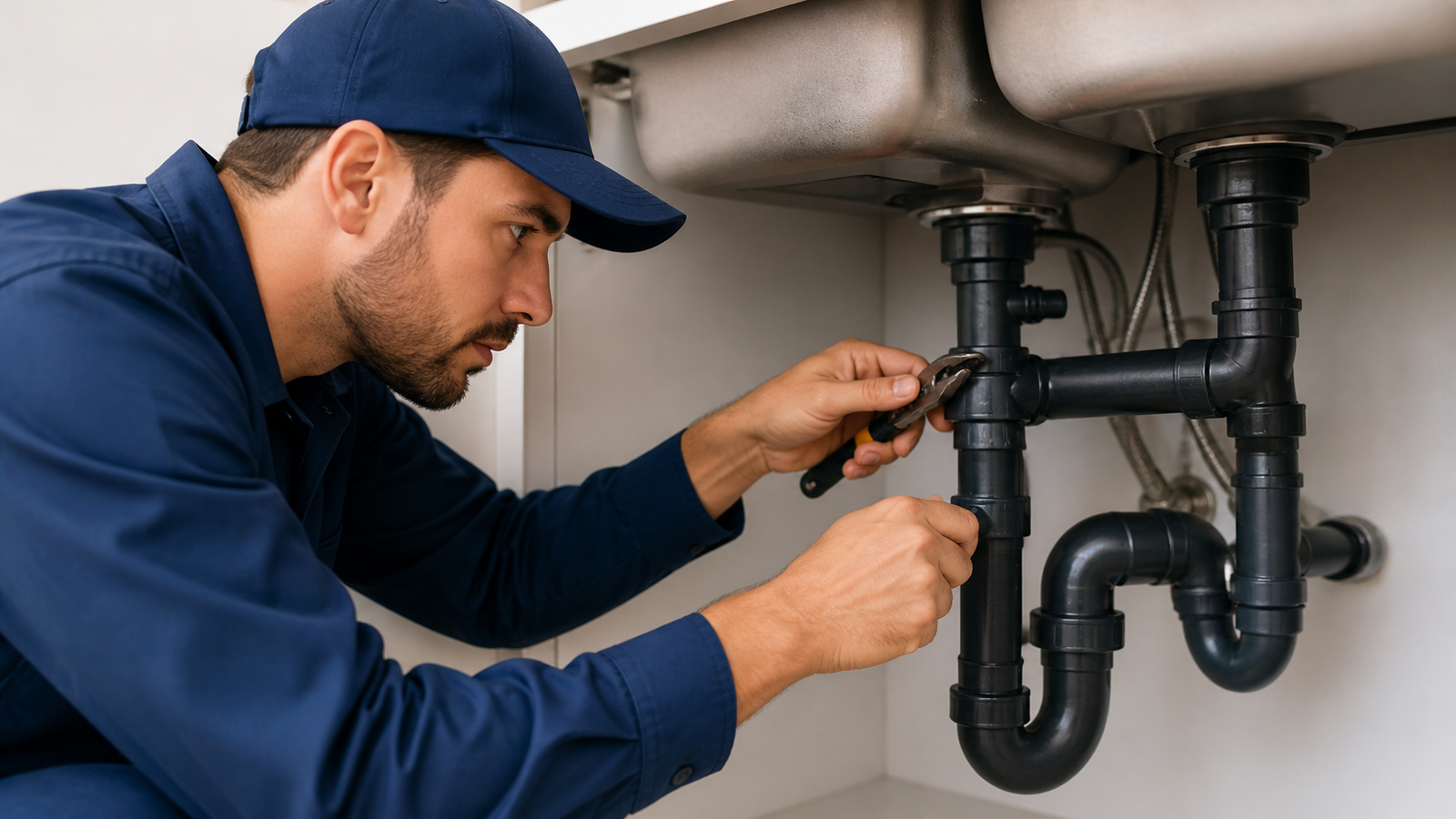
Many people think of plumbers only when a pipe drips under the sink or a faucet keeps running through the night. In reality, plumbing work covers a much wider range of responsibilities that affect water safety, drainage, comfort, sanitation, and the everyday function of a home or building. A plumber may install systems, inspect hidden problems, replace worn components, improve water flow, and help prevent structural damage caused by moisture or poor drainage. Their work often happens behind walls, under floors, and beneath fixtures, which makes it easy to overlook how much it depends on it. Plumbing supports daily life in more ways than most people realize.
More Than Leak Repairs
- Plumbers Build and Maintain Water Systems
A plumber does far more than stop visible leaks because much of the job involves building, maintaining, and adjusting the systems that bring clean water in and move wastewater out. In a home, this can include installing supply lines, connecting sinks and toilets, setting up showers and tubs, fitting shutoff valves, and making sure drainage lines carry waste safely away without backing up into living spaces. In larger properties, the work can become even broader, involving water pressure balancing, pipe routing, fixture placement, and code-compliant system design. A plumber also checks whether the parts behind the walls are functioning properly, even when nothing seems obviously wrong on the surface. This matters because plumbing failures rarely begin as dramatic emergencies. They often begin as pressure imbalances, loose fittings, aging seals, corrosion, slow drains, or poor installation choices that gradually create larger problems. By addressing the full system rather than only the visible symptom, plumbers help homes stay functional, safe, and easier to maintain over time.
- Plumbers Solve Drainage, Pressure, and Hidden Performance Issues
Another large part of plumbing work involves diagnosing problems that homeowners cannot immediately identify. A slow drain may not simply mean there is a clog near the sink. It could point to a venting issue, grease accumulation farther down the line, a partial blockage in the main drain, or a pipe slope problem that causes waste to move poorly. Low water pressure may result from mineral buildup, failing valves, pipe corrosion, hidden leaks, or changes in the municipal water supply. A plumber is trained to trace these symptoms back to their actual cause instead of guessing based on the most visible sign. Some homeowners comparing contractors come across names like Veterans Heating and Air Conditioning in Carlsbad, which shows how often people lump home service trades together, even though plumbing diagnosis requires its own set of technical skills. The value of a plumber often lies in that investigative work. They inspect connections, test flow, assess fixture condition, and identify how one weakness in the system may be affecting several areas of the property at once.
- Plumbers Install and Upgrade Essential Household Fixtures
Plumbers also handle a wide range of installation and upgrade work that has little to do with emergency leaks. When homeowners remodel kitchens or bathrooms, plumbers are often involved in moving lines, connecting appliances, fitting new sinks, installing bathtubs, placing garbage disposals, and ensuring toilets, dishwashers, and washing machines operate correctly. Water heaters are another major part of the trade, whether the job involves replacing an aging unit, connecting a newer model, or checking that temperature and pressure settings are safe. In some cases, plumbers install filtration systems, water softeners, sump pumps, or backup drainage solutions that protect the home from future damage. These tasks require careful measurement, proper sealing, accurate connections, and compliance with local building requirements. A poorly installed fixture can waste water, damage cabinets or flooring, and create long-term maintenance issues even if it appears fine on the first day. Plumbers help prevent that outcome by ensuring new additions work smoothly with the rest of the system, rather than creating stress points that cause trouble later.
- Plumbers Help Protect Health, Property, and Daily Comfort
One reason plumbing work matters so much is that it supports both health and property protection in ways people do not always notice. Clean water lines must remain separated from waste lines, fixtures must drain correctly, and sewer gases must stay out of living areas. When these systems fail, the problem is not only inconvenience. It can affect sanitation, indoor air quality, wall materials, flooring, and even the structural condition of parts of the home if moisture spreads unnoticed. A plumber helps reduce those risks by identifying hidden trouble before it becomes destructive. That may include spotting signs of mold-friendly dampness, checking for faulty seals around toilets, identifying drain backups, or noticing pipe wear that could lead to future water damage. Plumbers also contribute to daily comfort by improving shower performance, restoring reliable hot water, reducing recurring clogs, and ensuring fixtures operate predictably. Their work supports the practical routines of bathing, cleaning, cooking, and laundry, which means plumbing is tied closely to how smoothly a household functions every day.
A plumber actually does much more than fix leaks, because the trade involves installing systems, diagnosing hidden issues, improving performance, and protecting homes from water-related damage. Plumbers work on the parts of a property that most people rarely see, yet those parts affect comfort, sanitation, and routine daily tasks. Their role includes both emergency response and long-term system care, which is why their work remains important even when no dramatic problem is visible. Understanding the full scope of plumbing makes it easier to appreciate how much modern homes depend on safe water flow and reliable drainage. Their work keeps ordinary life running with fewer disruptions.