
Older heating and cooling systems often keep running long enough to make homeowners think everything is still working well, but age can hide a slow decline in performance. A system may heat or cool the house yet still waste energy due to wear, airflow issues, outdated controls, or neglected components that no longer operate smoothly. These hidden efficiency problems are easy to miss because they do not always cause an immediate breakdown. Instead, they show up through longer run times, uneven comfort, rising utility bills, and extra strain on equipment. HVAC contractors help uncover these concerns by studying how the system performs as a whole.
Where Problems Hide
- Looking Beyond Whether the System Still Runs
One of the first ways HVAC contractors identify hidden efficiency problems in older systems is by looking beyond the simple question of whether the equipment turns on and off. A furnace or air conditioner may still operate, but that does not mean it is running efficiently. Contractors often begin by asking how the home feels during normal use, whether temperatures stay consistent, and whether monthly energy bills have changed over time. They also pay attention to longer cycles, weak airflow, delayed starts, and rooms that never seem to reach the desired temperature. These clues suggest the system may be working harder than it should. In many older homes, comfort issues develop so gradually that the household adjusts without noticing how far performance has slipped. A contractor helps bring those patterns into focus by comparing what the system is doing against what it should be doing. This makes it easier to spot inefficiencies that would otherwise be dismissed as normal signs of age.
- Inspecting Airflow and Distribution Problems
Contractors also identify hidden efficiency problems by checking how air moves through the home, since many older systems lose performance through poor distribution rather than direct equipment failure. Dirty filters, undersized return paths, leaking ducts, blocked vents, and aging blower components can all reduce the amount of conditioned air that reaches each room. When airflow is restricted, the system may run longer to achieve the same result, increasing energy use without improving comfort. A homeowner researching Tulsa Heating and Cooling Services may think the issue starts with the main unit, but contractors often find that much of the efficiency loss stems from how the air is delivered. In older systems, duct connections may have loosened, insulation around ducts may have deteriorated, or long-term dust buildup may be interfering with proper movement. These conditions rarely announce themselves clearly, yet they can reduce efficiency across the whole house. By measuring airflow and examining its distribution, contractors uncover problems that cause the system to work harder than necessary every day.
- Finding Wear in Key Mechanical and Electrical Components
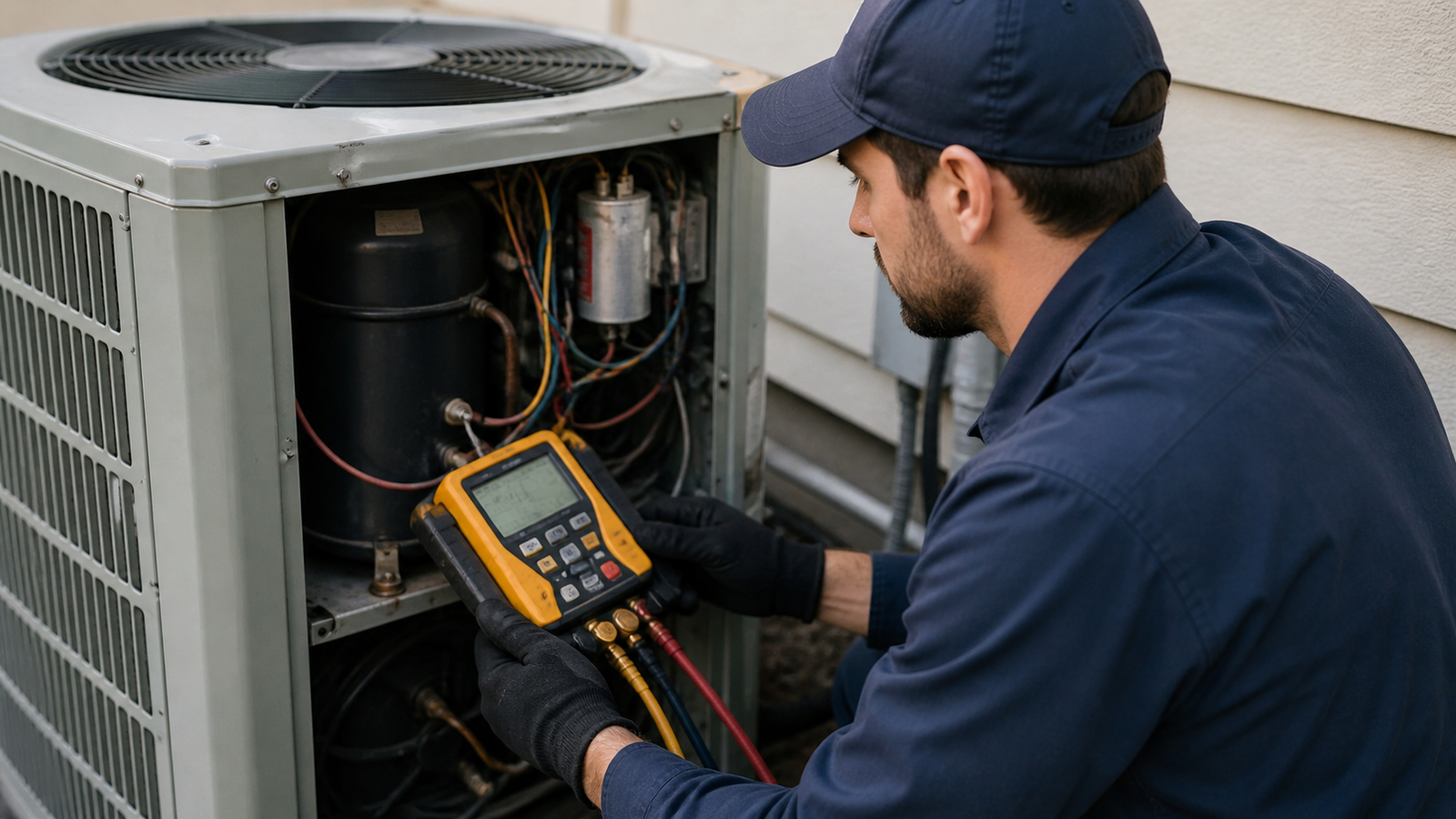
Another way HVAC contractors uncover hidden efficiency loss is by examining the condition of the system’s working parts. Older systems often continue operating even while internal wear has already reduced their performance. Capacitors may weaken, motors may struggle, belts may wear down, burners may become dirty, and coils may collect buildup that limits heat transfer. Electrical connections can also loosen over time, causing parts of the system to work less effectively without failing outright. These kinds of issues are often hidden because the equipment still responds when the thermostat calls for heating or cooling. To a homeowner, that can make the system seem fine, even as it consumes more energy to deliver less comfort. Contractors look at how smoothly components start, how evenly they run, and whether they are forcing the system into longer or less effective cycles. This detailed inspection helps reveal whether the system’s age is creating mechanical drag that quietly reduces efficiency. What looks like ordinary aging on the outside may actually be a combination of small internal problems working together.
- Checking Controls, Thermostats, and System Settings
Efficiency problems in older systems are not always mechanical. HVAC contractors also look closely at controls, thermostat behavior, and operating settings that may no longer properly support the home. An older thermostat may read temperature inaccurately, cycle the system poorly, or fail to reflect how the rest of the house actually feels. Fan settings, blower speeds, and calibration issues can also affect the system’s performance. In some cases, the equipment itself is still capable of reasonable operation, but the controls around it are causing it to run longer, shut off too soon, or respond at the wrong times. Contractors identify these issues by comparing thermostat readings, reviewing cycle patterns, and assessing whether the controls are improving or reducing efficiency. Older homes may also have had renovations, layout changes, or added rooms that altered the comfort demands without any update to the system settings. When that happens, the equipment may be trying to serve a home that no longer matches the conditions it was originally designed for, which can lead to hidden energy waste over time.
Why Small Efficiency Losses Add Up
HVAC contractors identify hidden efficiency problems in older systems by studying the full picture rather than waiting for a complete breakdown. They look at airflow, mechanical wear, electrical condition, thermostat behavior, and the way the home responds during daily use. Many older systems continue to operate while gradually losing efficiency in small ways that become expensive and uncomfortable. Those losses are easy to overlook because they build slowly, but they often show up in higher utility bills, longer run times, and less reliable comfort. By finding these hidden issues early, contractors help homeowners determine whether the system needs adjustment, repair, or a broader change to achieve steadier, more efficient performance.