
What Most People Get Wrong
Picture sitting in a consultation chair at a med spa, listening to a technician promise smooth, hair-free skin after a single visit. The brochure on the counter shows a woman in a bikini, radiant and stubble-free, and the price tag looks reasonable enough to book right then. Many people walk out of that appointment believing they have found a quick fix, only to discover weeks later that hair has grown back in patches across the treated area. This gap between expectation and outcome is where most frustration with laser hair removal begins, and it rarely has anything to do with the laser itself. The real issue usually traces back to how the treatment was explained, or more often, how it was not explained at all.
A common mistake is assuming that any laser will work the same way on any skin tone or hair color. Darker hair on lighter skin responds well to most devices, but the reverse combination requires more specialized equipment and a technician who understands how to adjust settings safely. Another frequent error is treating sun exposure as a minor detail rather than a factor that can cause burns, blistering, or uneven results across a treated area. People also tend to choose a clinic based purely on the lowest advertised price, without asking how many sessions are typically needed or what device the clinic actually uses. A bargain package can turn expensive quickly if it takes twice as many visits to reach the same result a better-equipped clinic could have delivered in half the time.
What Actually Works
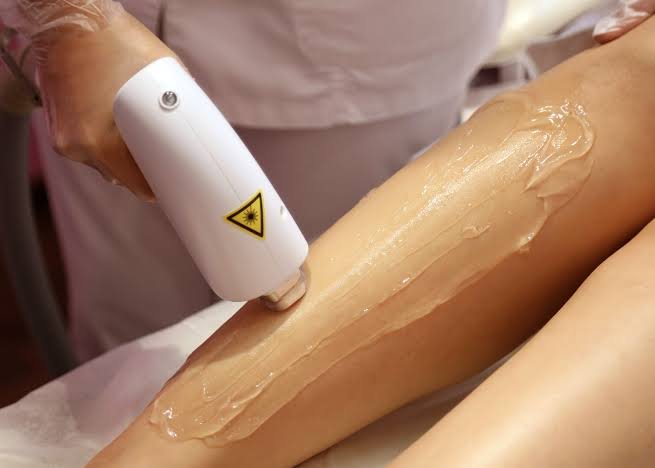
What actually produces lasting results starts with consistency rather than shortcuts. Hair grows in cycles, and a laser can only target follicles that are in an active growth phase at the time of treatment, which means most people need several sessions spaced several weeks apart rather than one dramatic appointment. Clinics that explain this cycle honestly, rather than promising instant permanence, tend to set realistic timelines that patients can actually follow through on without feeling misled. Technology matched to skin tone also plays a bigger role than most people realize, since a device calibrated for one skin type can underperform or cause irritation on another. Some clinics invest in multiple laser platforms specifically so they can match the right wavelength to each patient instead of forcing every client through the same machine.
Provider experience matters just as much as the equipment itself, since a technician who understands how to read skin response during treatment can adjust intensity in real time and avoid complications. Patients who take the time to compare credentials, ask about device brands, and read reviews from people with similar skin tones tend to walk away with far better outcomes than those who book the first appointment they find. For anyone weighing options across the state, a recent roundup of the best laser hair removal clinics in Texas breaks down pricing, technology, and patient experience across several highly rated practices, which can save considerable time compared to cold-calling clinics one by one. Reading through comparisons like this before committing to a package also makes it easier to ask sharper questions during the initial consultation.
How to Apply This
Applying these lessons starts with treating the first consultation as an interview rather than a sales pitch. Bringing specific questions about laser type, expected number of sessions, and aftercare instructions signals to a clinic that a patient expects transparency, and it tends to surface red flags quickly if a provider becomes vague or defensive. Reading a clear clinical explanation of how the treatment works, such as the AAD laser hair removal overview published by the American Academy of Dermatology, gives patients a baseline understanding before they ever sit in a treatment chair. That knowledge makes it much easier to spot inflated claims or unrealistic promises during a sales conversation, and it gives patients the vocabulary to ask better follow-up questions.
Scheduling sessions according to the recommended timeline matters more than most patients expect, since skipping appointments or spacing them too far apart can reset progress and stretch out the entire process unnecessarily. Following pre-treatment guidance, like avoiding sun exposure and certain skincare products in the days before an appointment, also reduces the risk of complications and keeps results on track. Patients who track their own progress with photos and short notes tend to notice subtle improvements that keep them motivated through the slower middle sessions when results can feel less dramatic. Treating laser hair removal as a gradual process, guided by realistic expectations and a carefully chosen provider, tends to produce the smooth, long-term results that first drew people into the consultation room.