
The Problem
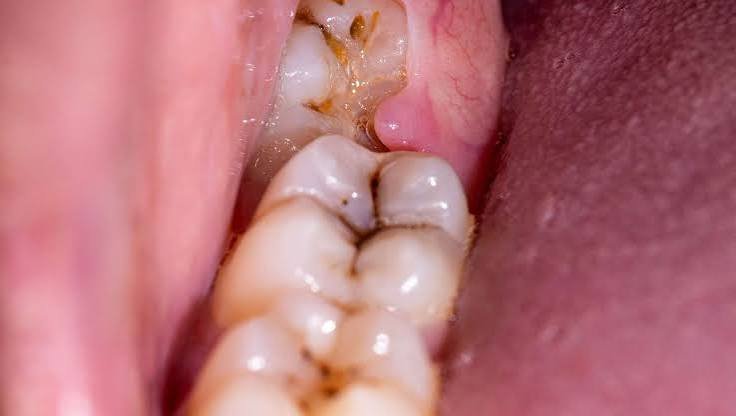
Impacted wisdom teeth cause more emergency dental visits than almost any other oral health issue among young adults. Most people develop their third molars between the ages of seventeen and twenty-five, and for a large percentage of the population, there simply isn’t enough room in the jaw to accommodate them. When these teeth become trapped beneath the gum line or emerge at an angle, they can push against neighboring teeth, trap food and bacteria, and create pockets that are difficult to clean. Left untreated, this often results in infection, cyst formation, or damage to adjacent molars that could otherwise last a lifetime. Some patients experience no symptoms at all until an X-ray reveals a problem forming beneath the surface, which is one reason routine dental checkups remain valuable well into adulthood.
The discomfort associated with impacted wisdom teeth rarely stays contained to one spot. Patients frequently report jaw stiffness, headaches, and swelling that spreads toward the ear or neck. In some cases, the pressure from an erupting molar shifts the alignment of nearby teeth, undoing years of orthodontic work. Because the pain can build gradually, many people delay treatment until the situation becomes urgent, which limits their options and increases recovery time. Dentists frequently point out that early evaluation, ideally through routine X-rays, catches these problems before they escalate into something more painful and expensive.
The Approach
Choosing the right provider matters as much as choosing the right timing. Oral surgeons who focus specifically on extractions tend to have more refined techniques for minimizing swelling, nerve irritation, and bleeding during recovery. Families researching South San Antonio wisdom teeth extraction services often find that local practices offer both consultation and same-day imaging, which shortens the overall treatment timeline. A provider who explains the procedure clearly, including anesthesia options and expected downtime, tends to leave patients feeling far more prepared than one who rushes through the appointment. Reading patient reviews and asking about the surgeon’s experience with similar cases can also clarify whether a practice is the right fit before committing to a date.
Preparation also involves understanding what happens after the surgery itself. Swelling typically peaks within the first two days, and most patients return to light activity within a week, though full healing of the bone and gum tissue can take several months. Reviewing established ADA oral health resources material beforehand helps patients set realistic expectations for diet, oral hygiene, and pain management during recovery. Providers who walk patients through aftercare instructions in person, rather than handing over a printed sheet, tend to see fewer complications and follow-up calls.
What to Look For
A qualified provider should be transparent about credentials, sedation options, and the specific risks tied to each extraction case. Ask whether the surgeon routinely handles impacted or angled teeth, since these cases require more precision than a straightforward extraction. It also helps to confirm what kind of imaging technology the practice uses, since three-dimensional scans reveal root position and nerve proximity far more accurately than a standard two-dimensional X-ray. Cost transparency matters too; a reputable office will provide a written estimate that accounts for anesthesia, follow-up visits, and any potential complications.
Comfort during recovery often depends on details that are easy to overlook during the initial consultation. Ask about the office’s policy for after-hours questions, since swelling or bleeding that seems unusual can cause unnecessary worry without quick access to guidance. Consider how the practice communicates with a regular dentist, particularly if orthodontic work is already underway, since coordination between providers reduces the chance of conflicting advice. A short conversation about scheduling flexibility can also reveal whether an office is set up to handle same-day or urgent cases when pain escalates unexpectedly. In the end, patients who ask direct questions before surgery tend to walk away from the entire process with far less anxiety.