
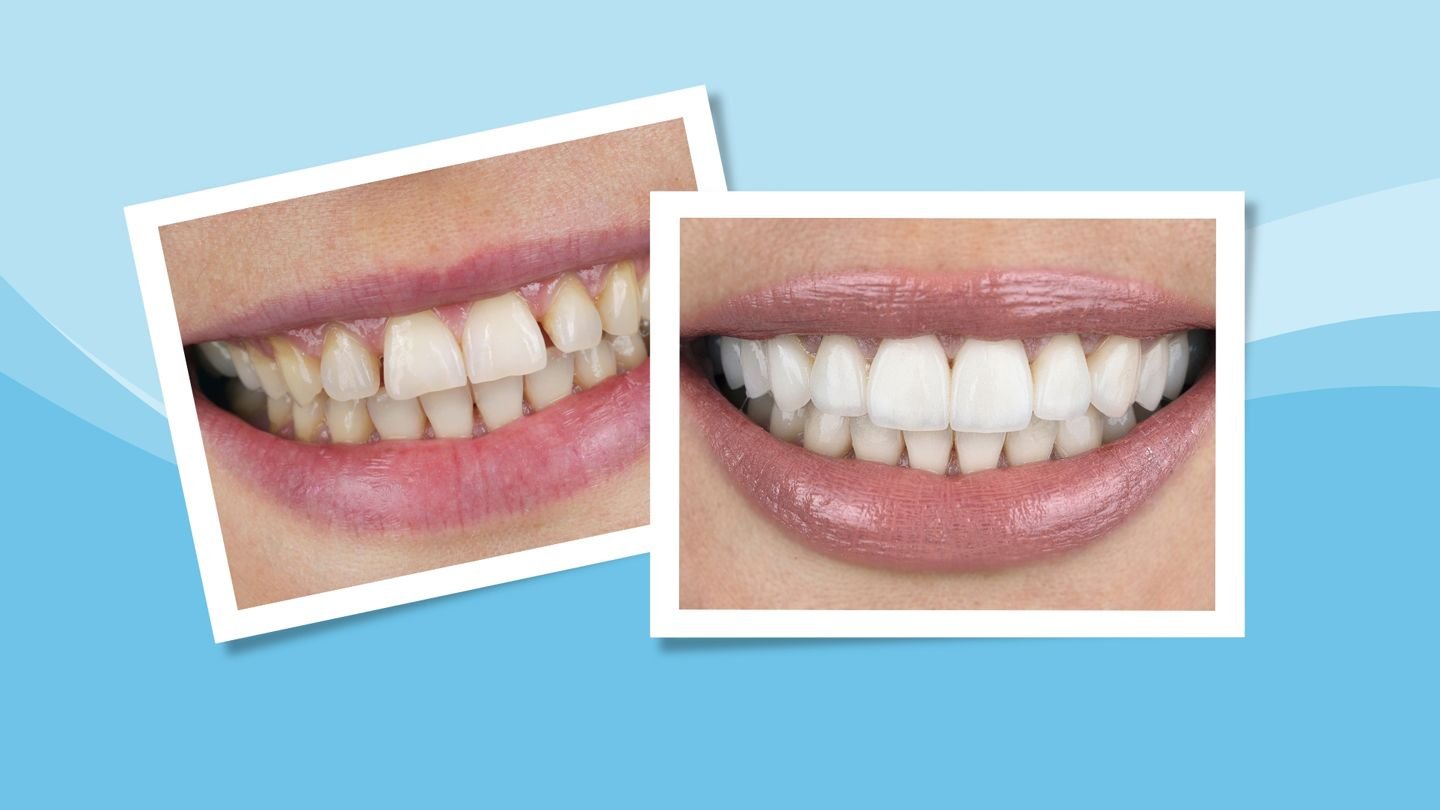
Veneers have been used as a common method of enhancing smiles. Most individuals would use them to repair broken, stained or irregular teeth. However, there is one question that has not been answered: are they safe?
The simple answer to that is yes, when applied by qualified dental veneers specialist, then veneers are mostly safe. Nonetheless, one should have the knowledge of both advantages and the threat prior to making a choice.
What are Dental Veneers?
Dental veneers are thin coverings applied to the front of teeth. They are commonly fabricated out of porcelain or composite resin. Such shells are made to resemble natural teeth and enhance the appearance.
The dentist removes an insignificant quantity of enamel on the tooth surface, and then adhes the veneer. This helps the veneer fit properly and look natural. Veneers are permanent and can last many years with the right care once they are bonded.
Are dental veneers safe?
Veneers are, in most cases, safe and well-tolerated. The components used are biocompatible, meaning that they do not cause harm to your body. The porcelain veneers, especially, have been identified as strong and natural.
The process is, however, irreversible. A portion of the enamel is removed, hence in future your teeth will always require some sort of covering. This is the reason why one should think before using veneers.
Pros
- Improved Appearance
Veneers lead to an immediate smile improvement, which is one of the greatest benefits. They are able to repair various problems simultaneously which includes discoloration, gaps, and slight misalignment.
- Natural Look
Veneers are designed to look like your natural teeth, both colour-wise and shape-wise. The porcelain reflects light just like real enamel, so the result appears natural.
- Stain Resistance
Porcelain veneers do not easily get stained. It indicates that you can continue smiling even when you are having coffee, tea, or wine.
- Long-Lasting Results
Veneers may last 10-15 years or longer when properly cared for. They are maintained through regular brushing, flossing and dental check-ups.
- Minimally Invasive Option
Veneers involve less removal of natural tooth than crowns. This makes them a more conservative treatment option.
Cons
- Irreversible Procedure
As discussed above, this is a permanent change since the enamel is removed. Veneers are not reversible, and once you have them, you have to keep them.
- Sensitivity
There are those who might have tooth sensitivity following the procedure. This normally occurs due to the fact that the enamel layer has been worn down.
- Risk of Damage
Veneers are not always invincible, although they are powerful. They are chew or crack on when you bite something hard, such as ice or pens.
- Cost
Veneers are very costly, particularly porcelain. Insurance does not always cover the cost, as it is often thought of as a cosmetic procedure.
- Not a Fit-All-Purpose
Individuals with advanced tooth decay, gum disease, or brittle enamel are not good candidates. First, a dentist will need to examine your oral health.
Veneers: The Safety of Veneers.
A veneer’s care is similar to that of a natural tooth’s. Keep your teeth clean by brushing twice a day and flossing regularly. Avoid using your teeth as tools or biting into very hard foods.
Wearing a mouthguard is also a good idea in case you grind your teeth at night. Frequent visits to the dentist will help keep your veneers in good condition.
Who should think about veneers?
Veneers are the best choice when one wants to enhance the appearance of the smile without significant dental procedures. They are suitable for cosmetic problems, but not severe dental problems.
Veneers can be a good choice if your teeth are healthy but contain stains, are chipped, or have small gaps. An appointment with a dental veneers specialist will also assist you determine whether they fit you or not.
Final Thoughts
Dental veneers are effective and safe to make your smile better, provided that it is done properly. They have a long-lasting and natural appearance, hence their popularity.
Nevertheless, they do not fit into a universal solution. It is worth finding out the advantages and disadvantages before deciding. A competent dentist should always be consulted to see what you can do and make the most of your dental care.