
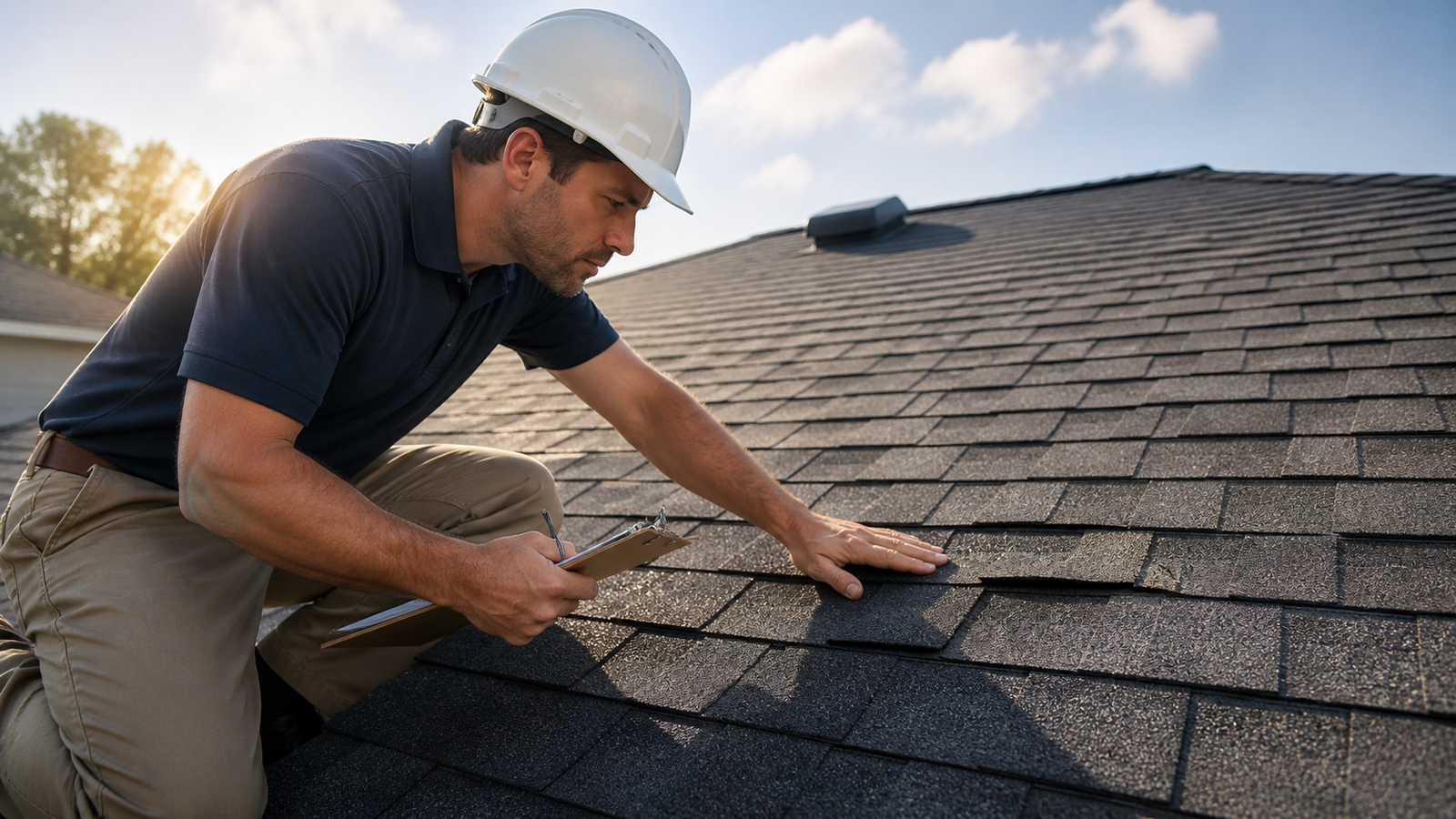
Roof damage rarely begins with a dramatic collapse or a sudden opening overhead. More often, it starts with a loose shingle, a cracked flashing edge, trapped moisture, or a weak section that slowly worsens through heat, rain, and wind. Homeowners may only notice a ceiling stain or a damp attic smell long after the roof has already started to fail in one area. A roof repair contractor looks for early warning signs before they lead to interior damage, mold growth, wood rot, or insulation problems. Finding trouble early helps protect the structure, reduce repair costs, and keep a small defect from becoming a larger and more disruptive problem.
Where Contractors Usually Look First
- Surface Clues Often Reveal the First Signs
A roof repair contractor usually begins with the visible outer surface because the roof often tells its own story through wear patterns. Missing shingles, curling edges, granule loss, soft spots, blistering, or sections that no longer sit flat can all suggest that water has found a way beneath the protective layer. Even when the damage appears small, the contractor studies how nearby materials are behaving, because roof problems often spread beyond the point where they first become visible. Flashing around chimneys, vents, skylights, and wall intersections also receives close attention, since these transition points are common entry areas for moisture. Gutters and downspouts may also be checked, as backed-up drainage can push water toward vulnerable sections of the roofline. The contractor is not simply searching for one broken piece. The goal is to read the pattern of aging and exposure across the entire roof so that a weak section can be addressed before wind, standing water, or repeated storms widen the damage and affect the deck below.
- Hidden Moisture Tells a Bigger Story
A contractor also knows that the real problem is not always the part a homeowner can see from the ground. Water can move beneath roofing materials, travel along decking, and appear far from where it entered. That is why a careful inspection often includes signs of hidden moisture, such as discolored decking, damp underlayment, mildew odors, or staining near vents and penetrations. In many service areas, including places where homeowners search for Bronx Roofing Contractors, this kind of tracing matters because dense neighborhoods and changing weather can make roof issues harder to spot from casual observation alone. The contractor may check the attic for darkened wood, compressed insulation, or small daylight openings that reveal gaps in the roof system. These clues help confirm whether the roof is simply worn on the surface or already allowing moisture to affect the structure beneath it. By connecting exterior damage to interior evidence, the contractor can identify not only where the roof looks bad, but where it is actively failing in a way that will continue to spread if left untreated.
- Weather Exposure and Weak Points Guide the Inspection
Roof repair contractors also pay close attention to how the weather interacts with the roof’s shape and design. Some sections naturally take more punishment than others. Valleys collect water runoff, low-slope areas may drain more slowly, and edges can be lifted by repeated wind exposure. Areas near chimneys, pipe boots, vents, and roof-to-wall connections often deteriorate sooner because these spots rely on tight seals and properly fitted materials to remain watertight. A contractor studies these weak points carefully because they are often where a problem begins, before it spreads outward. Sun exposure can harden and dry roofing materials over time, while shade can allow moisture and debris to sit longer than they should. Fallen branches, storm impact, and accumulated leaves may also create subtle damage that is easy to overlook until water starts entering the home. The inspection is not just about what is broken at that moment. It is also about understanding what part of the roof is under the most stress and likely to fail next. That forward-looking approach helps stop the spread rather than only reacting after the fact.
Early Detection Changes the Repair Outcome
A roof repair contractor identifies damage before it spreads by combining surface inspection, moisture tracing, structural observation, and an understanding of how weather stresses different parts of a roof over time. The process is not limited to spotting a few missing shingles. It involves reading the roof as a connected system, where weak seals, trapped moisture, drainage problems, and aging materials can all interact to cause greater damage. When those warning signs are found early, repairs are often more controlled and less invasive. That can protect the home’s framing, interior finishes, insulation, and overall stability. Catching the problem early is often what makes the difference between a targeted repair and a much larger restoration.