
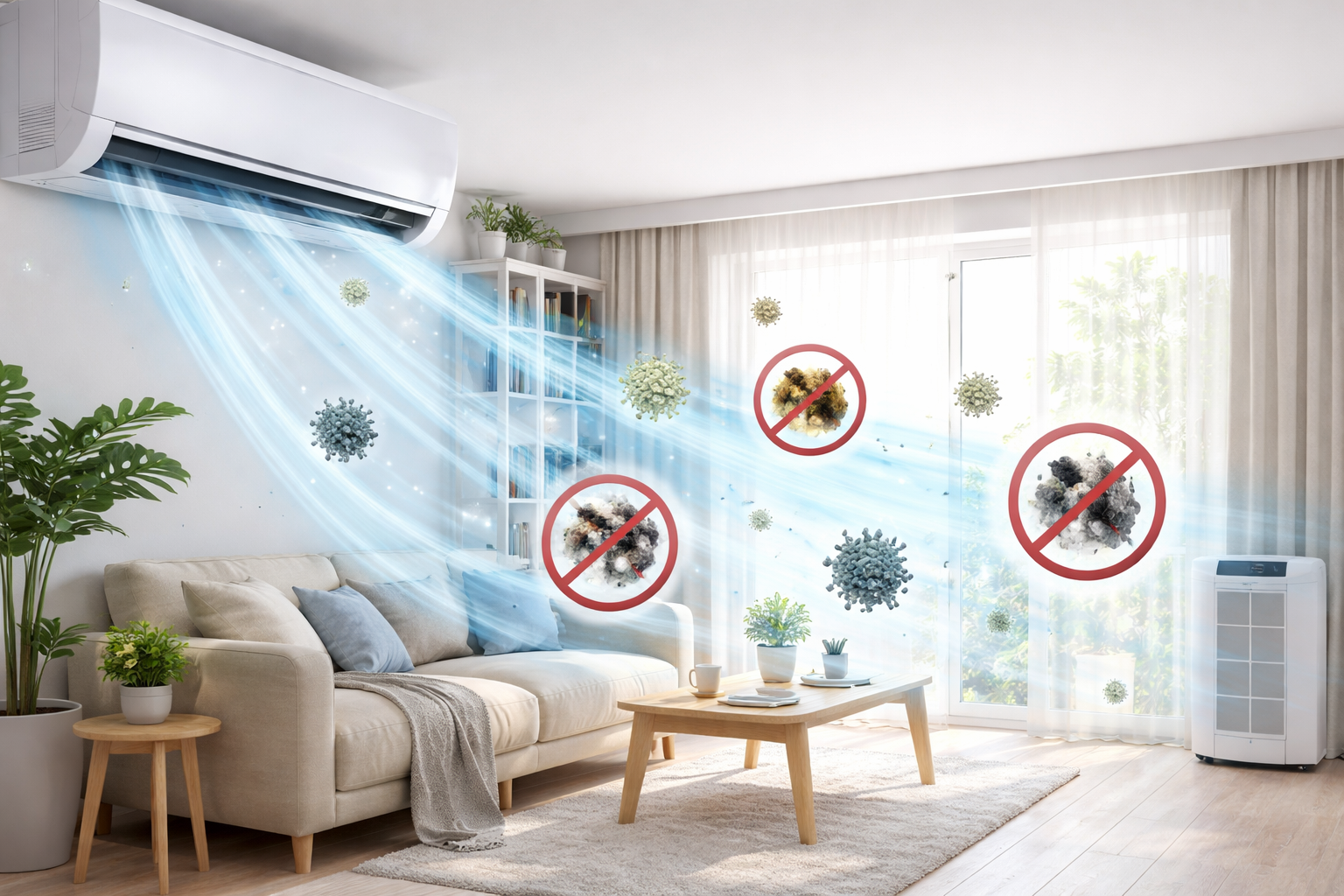
Indoor air quality has become a central concern for homeowners and businesses alike, as allergens such as dust, pollen, mold spores, and pet dander can accumulate over time and contribute to respiratory discomfort, fatigue, and other health challenges. We will explore how modern HVAC systems go beyond simple heating and cooling to actively reduce these airborne irritants, creating a healthier living environment. By incorporating advanced filtration, precise humidity control, and regular maintenance, HVAC systems can limit the spread of allergens throughout indoor spaces. Understanding the mechanisms that drive these improvements enables occupants to make informed choices about their comfort and health while optimizing their systems’ efficiency.
Advanced Filtration Systems
One of the most effective ways to reduce allergens in a home or office is to integrate advanced filtration systems into HVAC units. Traditional filters often capture only large particles, allowing finer allergens such as pollen, mold spores, and dust mites to circulate freely. Modern HVAC solutions incorporate high-efficiency particulate air (HEPA) filters or media filters designed to trap even microscopic particles. These filters not only capture allergens but also prevent them from re-entering the air stream, effectively reducing overall exposure. In addition, some systems include electrostatic filters that use static charge to attract and retain particles more effectively. Proper installation and regular replacement of these filters are critical to maintaining their effectiveness, as clogged filters can impede airflow and reduce system efficiency, leading to uneven distribution of clean air.
Humidity Control and Allergen Mitigation
Humidity levels play a crucial role in allergen management, and advanced HVAC systems often include features that actively regulate indoor moisture. High humidity can encourage mold growth and dust mite proliferation, while extremely low humidity can dry out nasal passages, increasing susceptibility to allergens. Modern HVAC solutions use humidifiers, dehumidifiers, and sensors to maintain optimal humidity levels, usually between 40 and 60 percent. This precise control helps limit conditions that allow allergens to thrive while promoting overall comfort. By monitoring and adjusting humidity in real time, these systems create an environment less hospitable to airborne irritants. For people sensitive to allergens, such as those with asthma or seasonal allergies, maintaining balanced humidity can dramatically reduce symptoms and improve daily quality of life. Learn more about these advanced systems at https://tuckandhowell.com/duncan-hvac/
Airflow Optimization
Efficient airflow management is essential for reducing allergen concentrations in indoor spaces. Advanced HVAC systems employ carefully designed ductwork and zoning techniques to ensure even air distribution throughout a building. Poor airflow can cause dust and allergens to settle in certain areas, exacerbating respiratory issues. By optimizing the movement of conditioned air, HVAC systems prevent stagnant zones where allergens can accumulate and ensure that filtered, treated air reaches all rooms consistently. Some systems feature variable-speed fans that adjust airflow based on real-time conditions, reducing particle spread and enhancing overall comfort. Additionally, air-circulation strategies such as pressurization and strategic vent placement minimize cross-contamination between rooms, ensuring allergens are effectively filtered before they circulate widely.
Regular Maintenance and Monitoring
Even the most advanced HVAC system cannot perform optimally without routine maintenance and monitoring. Dust, debris, and microbial growth within ducts and equipment can become sources of allergens if left unchecked. Regular inspection, cleaning, and timely servicing of HVAC components such as coils, blower fans, and ducts are essential to sustaining air quality. Many modern systems also include monitoring technology that tracks filter performance, humidity, and airflow, providing homeowners and facility managers with actionable data to prevent allergen buildup. Scheduling professional tune-ups ensures that all components function efficiently and helps prolong the system’s lifespan. In addition to improving air quality, consistent maintenance reduces energy consumption and helps avoid costly emergency repairs, making the investment in advanced HVAC solutions more sustainable and effective over time.
Integrated Air Purification Technologies
Some HVAC solutions go beyond filtration and airflow to incorporate integrated air purification technologies, including ultraviolet (UV) light treatment and photocatalytic oxidation. UV light systems target airborne microorganisms, including bacteria, viruses, and mold spores, breaking down their DNA and neutralizing them before they can circulate. Photocatalytic oxidation works by reacting with organic pollutants, converting them into harmless byproducts and further reducing allergens and volatile organic compounds. These technologies complement traditional filtration by addressing contaminants that filters alone cannot fully capture, offering a multi-layered approach to indoor air quality. Homes and commercial spaces equipped with such systems benefit from reduced exposure to airborne irritants, creating an environment that supports better respiratory health and overall well-being.
Maintaining a healthy indoor environment requires more than basic air conditioning or heating; it relies on integrating advanced technologies that reduce allergens and enhance comfort. By using high-efficiency filters, precise humidity control, optimized airflow, and supplemental purification systems, modern HVAC solutions significantly reduce dust, pollen, mold, and other airborne irritants. Regular maintenance ensures these systems perform at their peak, extending their lifespan and preventing issues that could compromise air quality. Occupants can experience a noticeable difference in respiratory comfort and overall wellness when HVAC systems are designed and maintained to effectively address allergen challenges. Investing in such solutions transforms indoor spaces into environments that prioritize health, comfort, and long-term sustainability.
Advanced HVAC solutions provide a comprehensive strategy to reduce allergens and promote healthier indoor air. By combining efficient filtration, controlled humidity, strategic airflow, and integrated purification technologies, these systems tackle the root causes of airborne irritants. Routine maintenance ensures long-term performance and reliability, preventing the accumulation of particles that could compromise air quality. For homeowners and businesses seeking to improve comfort and reduce allergen exposure, modern HVAC systems offer tangible benefits that extend beyond basic temperature control. Prioritizing indoor air quality fosters wellness, reduces allergy-related discomfort, and enhances overall daily living, making it a worthwhile investment for long-term health and comfort.
Also Read: From Consultation to Power: How Custom Solar Designs Maximize ROI