
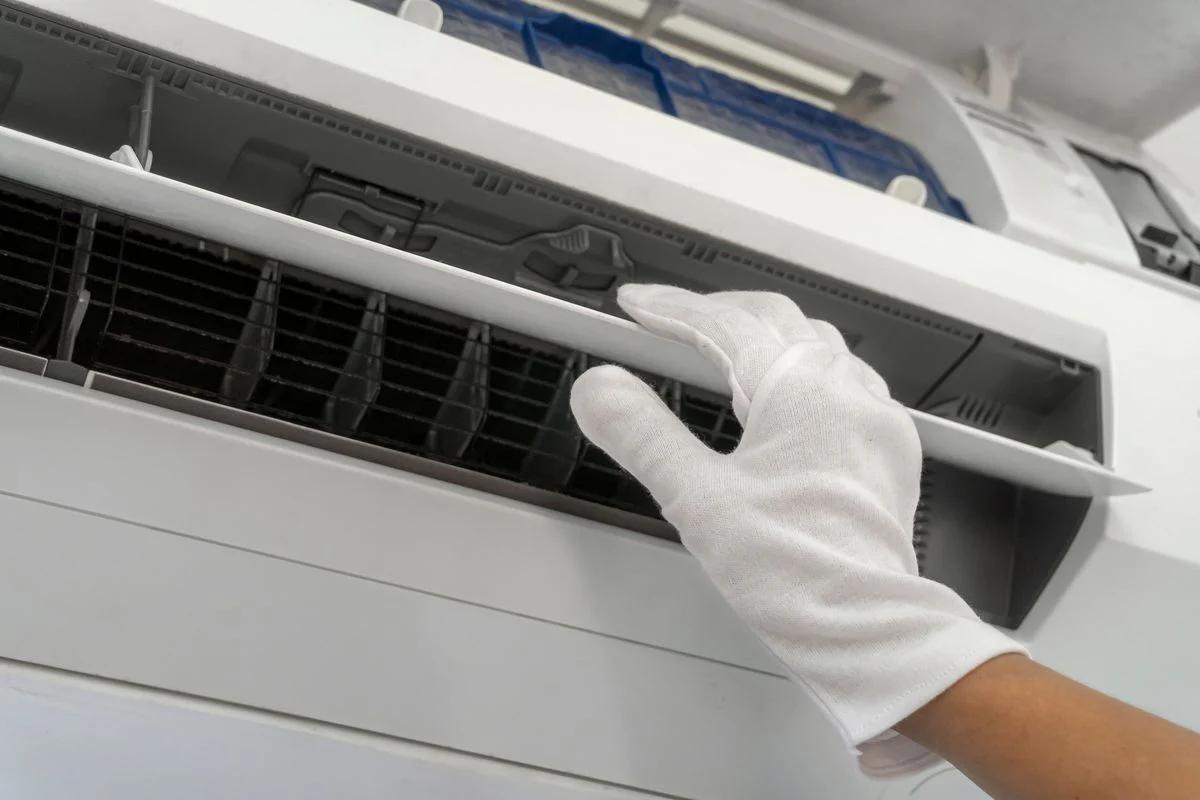
The air inside your home might feel fresh, but looks—and smells—can be deceiving. Most people spend up to 90% of their time indoors, yet very few think twice about what they’re actually breathing. Dust particles, allergens, mold spores, volatile organic compounds (VOCs)—these invisible threats circulate through your living spaces every single day, often without a single visible sign.
Poor air quality doesn’t announce itself. It shows up quietly, in the form of persistent headaches, unexplained fatigue, frequent sneezing, or a cough that just won’t quit. For children, the elderly, and anyone with respiratory conditions like asthma, the stakes are even higher. The good news? This is a problem with a real, lasting solution.
What’s Actually Lurking in Your Indoor Air?
The sources of indoor air pollution are more varied than most people realize. Common culprits include:
- Dust and pet dander — these accumulate rapidly and trigger allergic reactions
- Mold and mildew — moisture-prone areas like bathrooms and basements are prime breeding grounds
- VOCs — released by paints, cleaning products, and synthetic furniture
- Carbon monoxide — an odorless gas produced by gas appliances and poor ventilation
- Pollen — carried indoors on clothing, shoes, and through open windows
According to the Environmental Protection Agency (EPA), indoor air can be two to five times more polluted than outdoor air. In some cases, that number climbs even higher. That’s not a minor inconvenience—it’s a daily health exposure that compounds over time.
How Poor Air Quality Affects Your Health and Daily Life
The effects of breathing low-quality air aren’t always dramatic. Often, they’re subtle and easy to dismiss as stress, seasonal illness, or just “not sleeping well.” But the pattern tells a different story.
Short-term effects can include irritated eyes, throat discomfort, dizziness, and difficulty concentrating. Over time, chronic exposure to poor air quality has been linked to more serious conditions, including respiratory disease, cardiovascular issues, and reduced lung function.
Children are particularly vulnerable. Their respiratory systems are still developing, and they breathe more air relative to their body weight than adults. For families with young kids, improving air quality isn’t just a comfort upgrade—it’s a health priority.
Even productivity takes a hit. Research from Harvard’s T.H. Chan School of Public Health found that workers in environments with better ventilation and lower pollutant levels scored significantly higher on cognitive function tests. Cleaner air, quite literally, helps you think more clearly.
Signs Your Home May Have an Air Quality Problem
Not sure whether your air quality needs attention? Here are some telling signs:
- Persistent musty or stale odors that don’t go away with normal cleaning
- Visible mold growth in bathrooms, basements, or around window frames
- Increased allergy or asthma symptoms when indoors, especially compared to being outside
- Excessive dust buildup on surfaces shortly after cleaning
- Condensation on windows or walls, which signals moisture imbalance
- Unexplained fatigue or headaches that improve when you leave the house
Any one of these signs is worth taking seriously. Multiple signs together suggest it’s time to bring in professional support.
Why a Professional Air Quality Service Makes All the Difference
There’s no shortage of air purifiers, filters, and sprays on the market. Some of them help. But piecemeal solutions rarely address the root cause of air quality issues—and root causes vary from home to home.
A professional service brings the tools, expertise, and diagnostic capability to assess your specific environment. This means identifying exactly which pollutants are present, pinpointing where they originate, and implementing targeted solutions that actually last.
Indoor Air Quality services delivered by trained professionals give homeowners the kind of comprehensive assessment and treatment that air fresheners and box-store purifiers simply cannot replicate—because the goal isn’t to mask the problem, it’s to resolve it from the source.
Professional services typically include thorough air testing, HVAC inspection and cleaning, humidity regulation, and tailored filtration recommendations. The result is a measurably healthier home environment—one where you can breathe easily, sleep better, and reduce the long-term health risks associated with poor indoor air.
The Long-Term Value of Investing in Cleaner Air
Cleaner air is an investment that pays off on multiple fronts. Better sleep, fewer sick days, reduced allergy medication costs, and improved mental clarity are just some of the everyday benefits homeowners experience after addressing their air quality.
There’s also the structural side to consider. Mold, excess moisture, and airborne contaminants don’t just affect the people inside a home—they affect the home itself. Untreated moisture problems can compromise walls, ceilings, and HVAC systems, leading to costly repairs down the line.
By prioritizing air quality now, you’re protecting both your health and your property. It’s a decision that makes sense in the short term and pays dividends for years to come.
Breathe Better, Starting Today
The quality of the air you breathe shapes how you feel, how well you sleep, and how effectively your body functions over the long haul. This isn’t something to put off until symptoms become serious.
Carefree Air specializes in creating healthier indoor environments for families and homeowners who deserve to breathe without compromise. With professional assessments, proven treatment methods, and a commitment to lasting results, Carefree Air gives you the clarity and confidence that comes with genuinely clean air.
Your home should be the one place you feel completely at ease. Reach out to Carefree Air today and take the first step toward a healthier, fresher living space.