
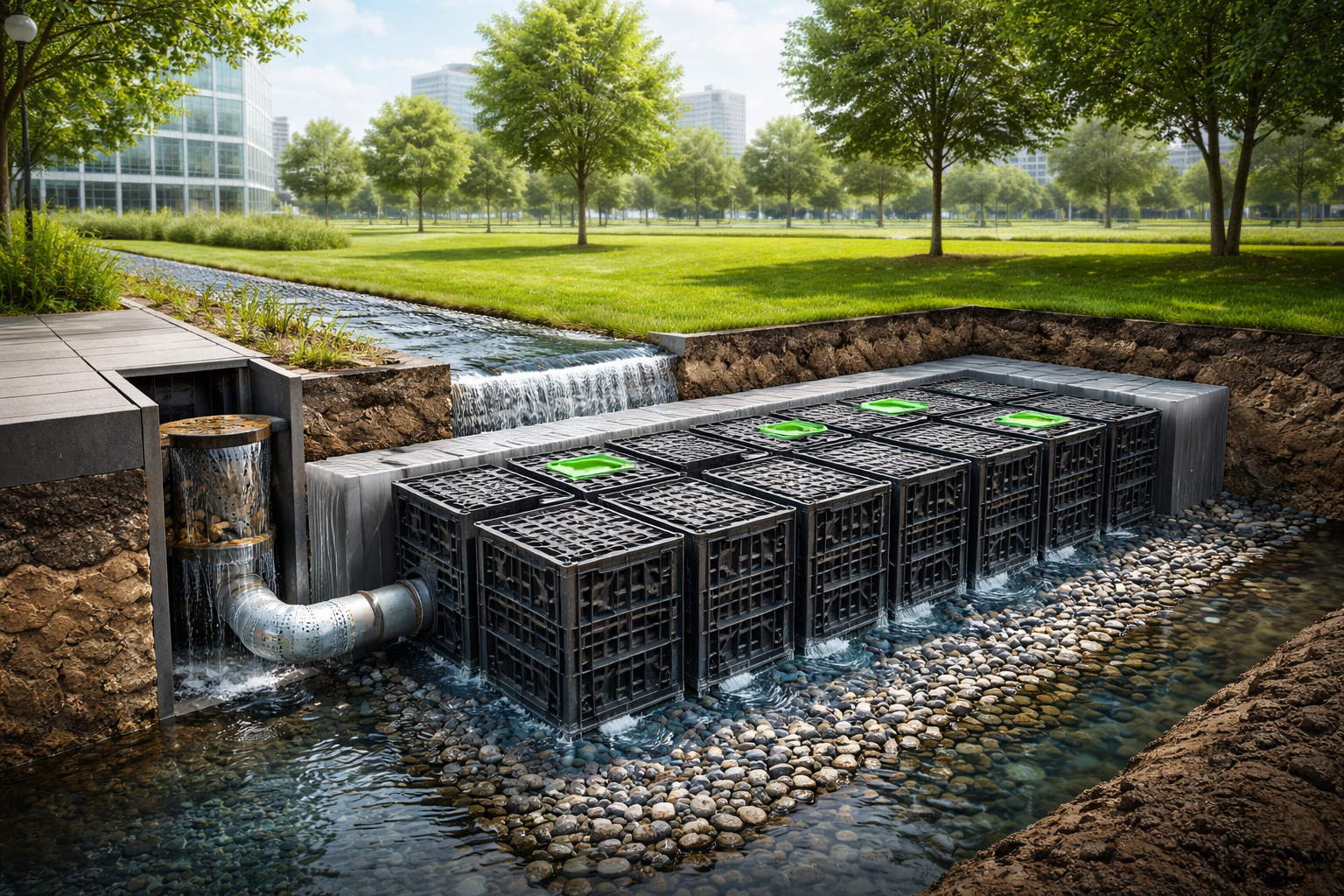
Regolen has emerged as a transformative concept in modern water management, especially in urban environments where natural water cycles have been significantly disrupted. As cities expand and surfaces become increasingly impermeable due to concrete, asphalt, and infrastructure development, rainwater that once soaked naturally into the ground is now rapidly diverted into drainage systems. This shift has created a host of environmental challenges, including urban flooding, declining groundwater levels, and increased pollution in natural water bodies. Regolen addresses these issues by offering a system that reintroduces rainwater into the soil through controlled infiltration, restoring balance between human development and natural processes.
The concept of regolen is rooted in sustainability and long-term environmental planning. It is not merely a drainage solution but a comprehensive approach to water conservation and ecosystem preservation. By allowing rainwater to be absorbed into the ground rather than wasted, regolen contributes to groundwater recharge and supports vegetation, biodiversity, and overall ecological health. Its relevance continues to grow as climate change intensifies rainfall patterns and increases the frequency of extreme weather events, making efficient water management more critical than ever.
Understanding the Core Concept of Regolen
Regolen refers to underground systems specifically designed to capture rainwater and allow it to gradually infiltrate into the surrounding soil. These systems are typically constructed using materials that create void spaces, such as gravel or specially designed modular units, which temporarily store water before releasing it into the ground. This process mimics the natural absorption of rainwater that occurs in undeveloped landscapes, effectively compensating for the loss of permeable surfaces in urban areas.
The strength of regolen lies in its simplicity and effectiveness. It operates without the need for complex machinery or energy inputs, relying instead on gravity and natural soil permeability. This makes it a practical solution for a wide range of applications, from residential properties to large-scale urban developments. Moreover, regolen systems can be customized based on site-specific conditions, including soil type, rainfall intensity, and available space, ensuring optimal performance in diverse environments.
The Growing Importance of Regolen in Urban Development
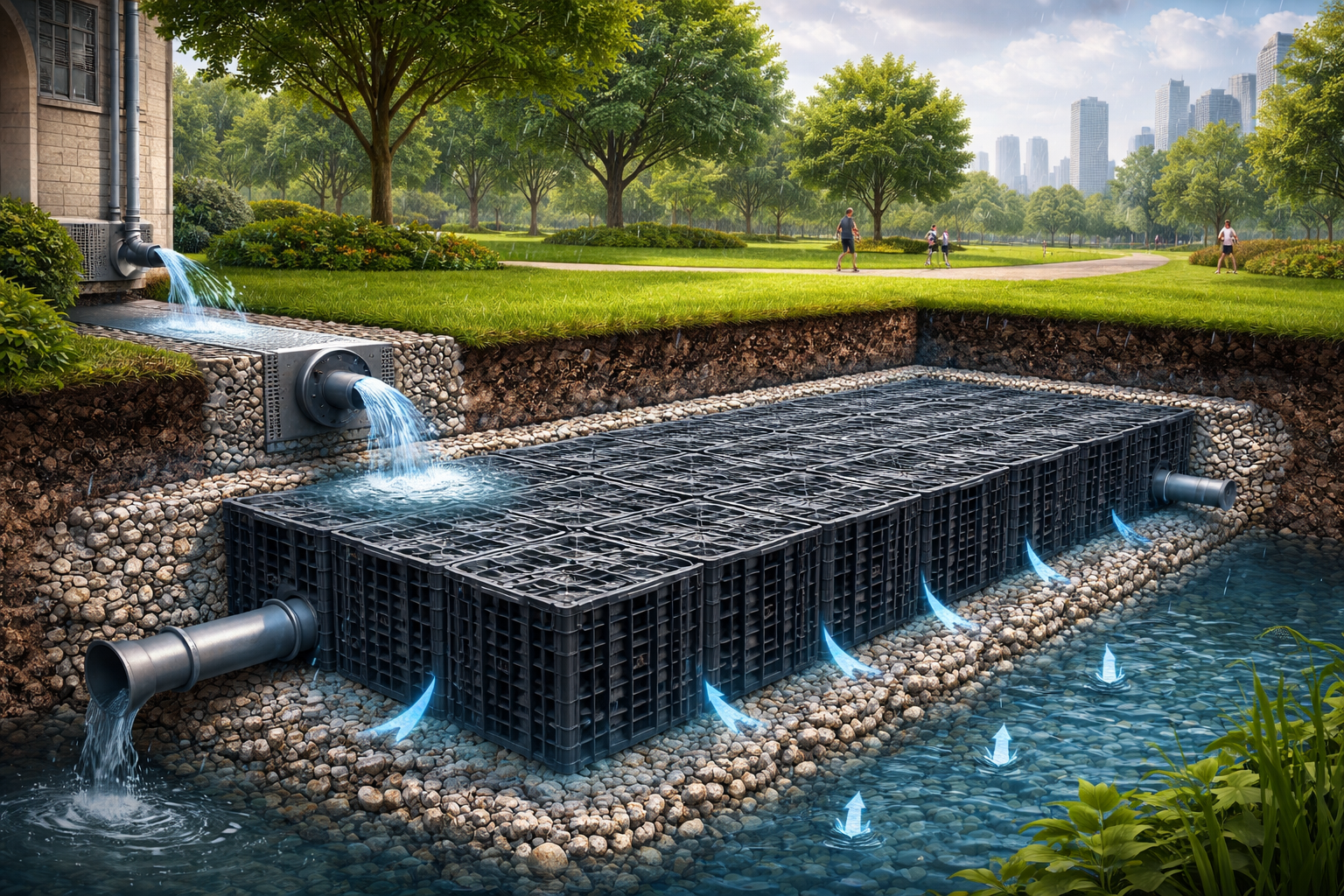
Urbanization has dramatically altered the way water interacts with the environment. In natural settings, rainwater is absorbed by soil, filtered through layers of earth, and gradually replenishes groundwater reserves. However, in cities, this process is disrupted by impermeable surfaces that prevent infiltration. As a result, water accumulates on the surface, leading to flooding, erosion, and strain on drainage systems. Regolen provides a solution by reintroducing infiltration processes into urban landscapes.
The importance of regolen is further amplified by the increasing demand for sustainable infrastructure. Governments and urban planners are now prioritizing solutions that not only address immediate challenges but also contribute to long-term environmental resilience. Regolen systems align perfectly with these goals, offering a way to manage water responsibly while reducing the environmental footprint of urban development. They also support green building certifications and sustainable design practices, making them an integral part of modern construction projects.
How Regolen Systems Function in Real-World Scenarios
The functioning of regolen systems is based on a straightforward yet highly effective mechanism. Rainwater is collected from various sources, such as rooftops, pavements, and roads, and directed into the system through pipes or surface drains. Once inside, the water enters a storage chamber designed to hold it temporarily. This chamber is typically filled with materials that allow water to pass through slowly, ensuring a controlled release into the surrounding soil.
As the water infiltrates the soil, it undergoes natural filtration, which removes impurities and improves its quality before it reaches groundwater reserves. This process not only conserves water but also enhances environmental protection by reducing pollution. In real-world applications, regolen systems have proven to be highly effective in managing stormwater, preventing flooding, and maintaining soil moisture levels. Their passive operation and minimal maintenance requirements make them a reliable and cost-effective solution for long-term use.
Materials and Design Variations in Regolen Systems
The design of regolen systems can vary significantly depending on the specific requirements of a project. Traditional systems often use gravel or crushed stone to create storage spaces, while modern designs incorporate modular plastic units that offer higher efficiency and durability. These modular systems are engineered to maximize storage capacity while minimizing the space required, making them ideal for urban environments where land availability is limited.
Geotextile fabrics are commonly used to wrap the system, preventing soil from entering while allowing water to pass through. This ensures that the system remains functional over time without clogging. In addition, pre-treatment components such as filters and sediment traps are often included to remove debris before water enters the system. These design elements work together to create a robust and efficient solution that can handle varying volumes of water and adapt to different environmental conditions.
Environmental Benefits of Regolen
One of the most significant advantages of regolen is its positive impact on the environment. By facilitating groundwater recharge, it helps maintain water levels in aquifers, which are essential for drinking water supplies and agricultural use. This is particularly important in regions facing water scarcity, where sustainable water management practices are crucial for survival.
Regolen also reduces surface runoff, which is a major contributor to soil erosion and water pollution. When rainwater flows over surfaces, it picks up contaminants such as oil, chemicals, and debris, which are then carried into rivers and lakes. By allowing water to infiltrate the soil, regolen systems help filter out these pollutants, improving the quality of water entering natural ecosystems. Furthermore, they support vegetation by maintaining soil moisture, which is vital for plant growth and biodiversity.
Economic and Practical Advantages of Regolen
In addition to its environmental benefits, regolen offers several economic advantages. By reducing the burden on municipal drainage systems, it can lower infrastructure costs and minimize the need for expensive upgrades. This is particularly beneficial for rapidly growing cities where existing systems may struggle to handle increased water volumes.
Regolen systems are also cost-effective in terms of installation and maintenance. Their passive operation eliminates the need for energy consumption, and their durability ensures a long lifespan with minimal upkeep. For property developers and homeowners, this translates into long-term savings and increased property value. The ability to integrate regolen systems into various types of developments further enhances their practicality and appeal.
Challenges and Considerations in Implementing Regolen
While regolen systems offer numerous benefits, their implementation requires careful planning and consideration. Soil permeability is a critical factor, as it determines how effectively water can infiltrate. In areas with low permeability, additional measures may be needed to ensure proper functioning. Similarly, the depth of the groundwater table must be taken into account to avoid interference with the system.
Another important consideration is maintenance. Although regolen systems require minimal upkeep, regular inspections are necessary to ensure that filters and inlets remain clear of debris. Proper design and installation are also essential to prevent issues such as clogging or structural failure. Addressing these challenges is key to maximizing the effectiveness and longevity of regolen systems.
Integration of Regolen with Modern Urban Planning
Regolen is increasingly being integrated into modern urban planning as part of a broader approach to sustainable development. It is often combined with other green infrastructure elements, such as permeable pavements, green roofs, and rain gardens, to create comprehensive water management systems. These integrated solutions not only enhance efficiency but also contribute to the aesthetic and ecological value of urban spaces.
Urban planners are recognizing the importance of designing cities that work in harmony with natural processes. Regolen plays a crucial role in this vision by enabling water to be managed in a way that supports both human needs and environmental sustainability. Its adaptability and effectiveness make it a valuable tool for creating resilient and livable urban environments.
Real-World Applications and Case Studies
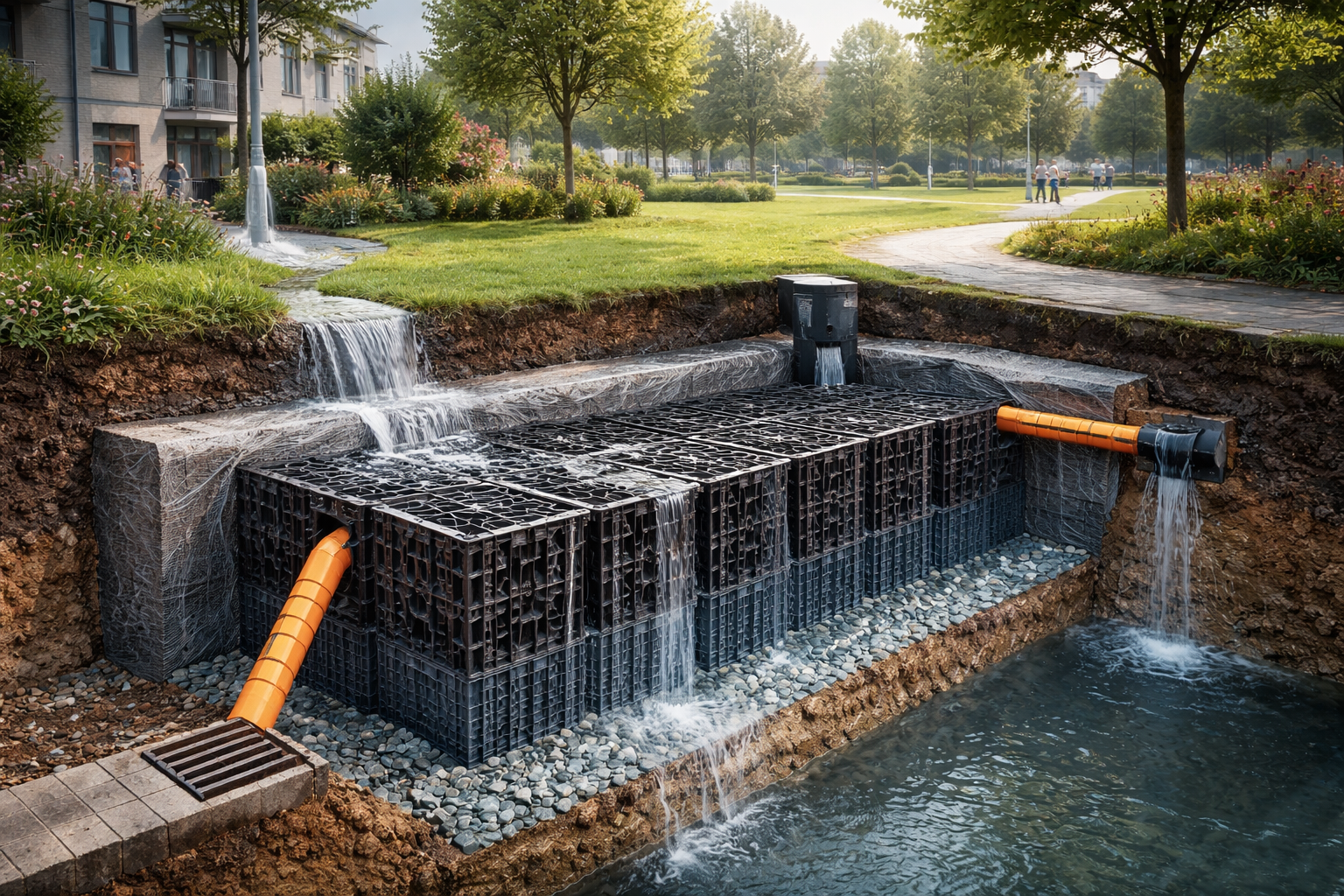
The application of regolen systems can be seen in a wide range of settings, from residential developments to large-scale infrastructure projects. In residential areas, they are used to manage rainwater from rooftops and driveways, preventing waterlogging and maintaining soil health. In commercial and industrial settings, they handle large volumes of runoff from parking lots and paved surfaces.
Municipal projects also benefit from regolen systems, particularly in areas prone to flooding. By incorporating these systems into public spaces such as parks and schools, cities can enhance sustainability while improving the quality of life for residents. These real-world applications demonstrate the versatility and effectiveness of regolen in addressing diverse water management challenges.
The Future of Regolen in a Changing Climate
As climate change continues to impact weather patterns, the need for innovative water management solutions is becoming increasingly urgent. Regolen is well-positioned to play a significant role in this context, offering a sustainable and adaptable approach to managing rainfall. Advances in technology are expected to further enhance the capabilities of regolen systems, making them even more efficient and reliable.
The future of regolen lies in its integration with smart technologies and data-driven approaches. Sensors and monitoring systems can be used to track performance and optimize operation, ensuring maximum efficiency. As awareness of environmental issues grows, the adoption of regolen systems is likely to increase, contributing to the development of more sustainable and resilient communities.
Conclusion
Regolen represents a forward-thinking approach to water management that addresses both environmental and infrastructural challenges. By capturing and infiltrating rainwater, it restores natural processes that have been disrupted by urbanization, providing a sustainable solution for modern cities. Its ability to reduce flooding, recharge groundwater, and improve water quality makes it an invaluable component of sustainable development.
The continued evolution and adoption of regolen systems will play a crucial role in shaping the future of urban infrastructure. As cities strive to become more resilient and environmentally friendly, regolen offers a practical and effective way to achieve these goals. Through careful planning, innovative design, and a commitment to sustainability, it has the potential to transform the way water is managed in urban environments, ensuring a better future for both people and the planet.
Also Read: How to Fix Errorcode Dropbox 8737.idj.029.22 Quickly and Easily