
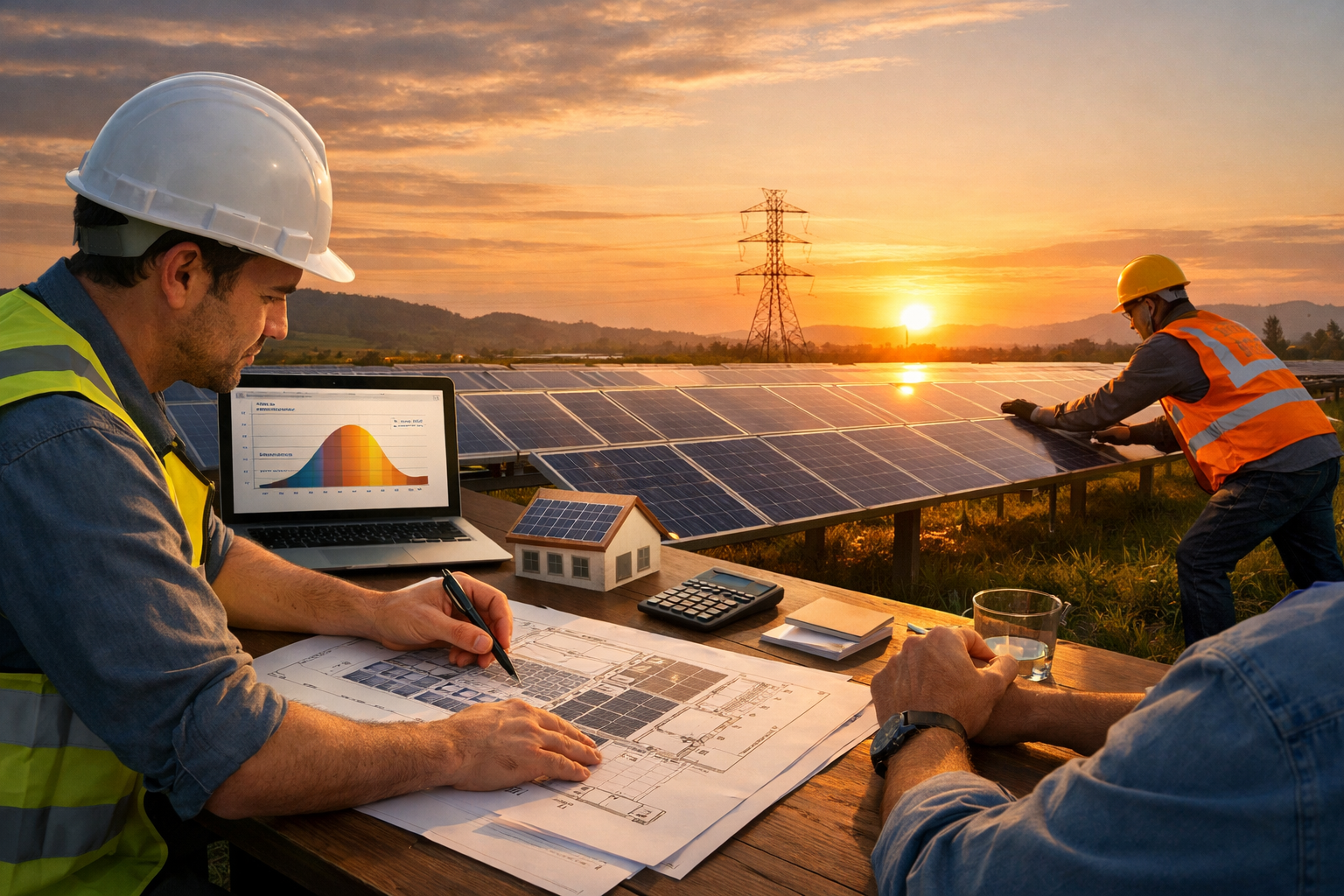
We will explore how tailored solar solutions can transform a property’s energy consumption while optimizing financial returns. Transitioning to solar energy involves more than simply installing panels; it is a comprehensive process that begins with understanding energy needs and extends through design, installation, and long-term monitoring. Each step plays a crucial role in ensuring the investment achieves maximum efficiency and cost savings.
By considering factors such as energy consumption patterns, site orientation, available sunlight, and local incentives, homeowners and businesses can make informed decisions that balance performance with financial outcomes. Embracing a personalized approach allows solar systems to align with both lifestyle requirements and long-term sustainability goals, ensuring that every component contributes to maximum return on investment.
Personalized Energy Assessments
The foundation of a successful solar installation in Stockton lies in a thorough energy assessment. During the initial consultation, professionals evaluate historical energy usage, peak demand periods, and seasonal variations to create a detailed picture of consumption patterns. On-site evaluations consider roof orientation, shading from nearby structures or trees, and available space for solar arrays. This information guides the design process, ensuring that panels are positioned to capture the optimal amount of sunlight throughout the year.
Custom energy assessments also take into account future energy needs, such as potential household expansions, electric vehicle charging, or new appliances, to avoid under-sizing or over-sizing the system. By aligning system design with actual energy requirements, homeowners and businesses can reduce unnecessary costs, maximize electricity generation, and ensure the system meets long-term expectations. This step transforms the solar installation from a generic setup into a solution that fits the property’s unique conditions.
Strategic System Design and Component Selection
Once energy needs are clearly defined, the focus shifts to system design and component selection. Custom solar designs involve choosing panels, inverters, and battery storage options that suit both the property and financial goals. High-efficiency panels may provide more energy in limited spaces, while storage solutions enable homeowners to maximize self-consumption and reduce reliance on the grid. Inverters are selected based on compatibility with the electrical system and the desired level of performance monitoring.
Additionally, mounting structures are engineered to withstand local weather conditions and optimize sunlight exposure. Thoughtful system design ensures each component works in harmony, reducing potential energy losses and extending the system’s operational lifespan. By carefully considering these factors, homeowners can improve the system’s overall return on investment, minimize maintenance challenges, and ensure the solar installation continues to deliver reliable energy for years to come.
Financing, Incentives, and Cost Optimization
Financial planning is a critical aspect of maximizing ROI in solar installations. Custom solar projects include an assessment of available financing options, such as loans, leases, or power purchase agreements, allowing property owners to choose the arrangement that aligns with their budget and long-term goals. Identifying federal, state, and local incentives further reduces upfront costs, including tax credits, rebates, and performance-based programs. For instance, residents in areas with net metering can benefit from credits for excess electricity fed back into the grid.
Combining these opportunities with strategic system sizing ensures that the investment remains cost-effective while providing substantial energy savings over time. Careful financial planning also addresses potential increases in energy rates or changes in household consumption, creating a flexible framework that supports sustained returns. By integrating financing and incentives into the design process, property owners can achieve a balanced investment that maximizes both immediate and long-term benefits.
Professional Installation and Quality Assurance
The transition from design to operational status for a solar system requires precise installation practices. Skilled installation teams follow detailed plans to position panels accurately, connect electrical components safely, and adhere to all local regulations and permitting requirements. Safety measures, such as grounding and proper wiring, are essential to protect both the property and the system’s longevity. During installation, thorough quality checks are conducted to confirm that each component functions as intended and that the system meets performance expectations. Post-installation inspections verify compliance with local utility and safety standards while ensuring optimal energy production.
Additionally, homeowners receive guidance on system operation, monitoring, and maintenance. This approach not only prevents potential issues but also ensures that the system performs efficiently, providing consistent energy output and maximizing financial returns. Proper installation is crucial for sustaining performance and protecting the investment’s value over the system’s lifetime.
Monitoring, Maintenance, and Long-Term Optimization
Achieving the highest return on a solar investment extends beyond installation; ongoing monitoring and maintenance are essential. Monitoring systems track energy production, detect irregularities, and alert homeowners to any necessary adjustments. Routine maintenance, such as cleaning panels and checking electrical connections, helps preserve efficiency and prevent long-term degradation. System performance can also be optimized over time by adjusting to changing energy needs, environmental conditions, or technological advancements.
For instance, adding storage capacity or upgrading inverters can enhance self-consumption and further reduce reliance on grid electricity. Long-term optimization strategies are particularly valuable in regions with fluctuating energy costs, as they allow homeowners to maximize savings while maintaining consistent energy output. By actively managing the system, property owners ensure sustained performance, increased savings, and a stronger overall return on investment.
From the initial consultation to system activation and long-term monitoring, custom solar designs offer a structured pathway to maximize financial returns and energy efficiency. By analyzing energy consumption, selecting compatible components, planning financing options, and implementing professional installation and maintenance strategies, property owners can achieve consistent savings and operational reliability. Beyond the tangible financial benefits, tailored solar solutions contribute to environmental sustainability and community resilience, reinforcing the value of renewable energy investments.
Embracing a personalized approach ensures that each solar project aligns with unique property characteristics and future energy requirements, transforming an ordinary installation into a long-term asset. Through thoughtful planning, precise execution, and proactive management, solar energy becomes a powerful tool for reducing costs, promoting sustainability, and achieving measurable returns for years to come.
Also Read: Rewiring Comfort: The Role of Electrical Panel Upgrades in Whole-Home Electrification