
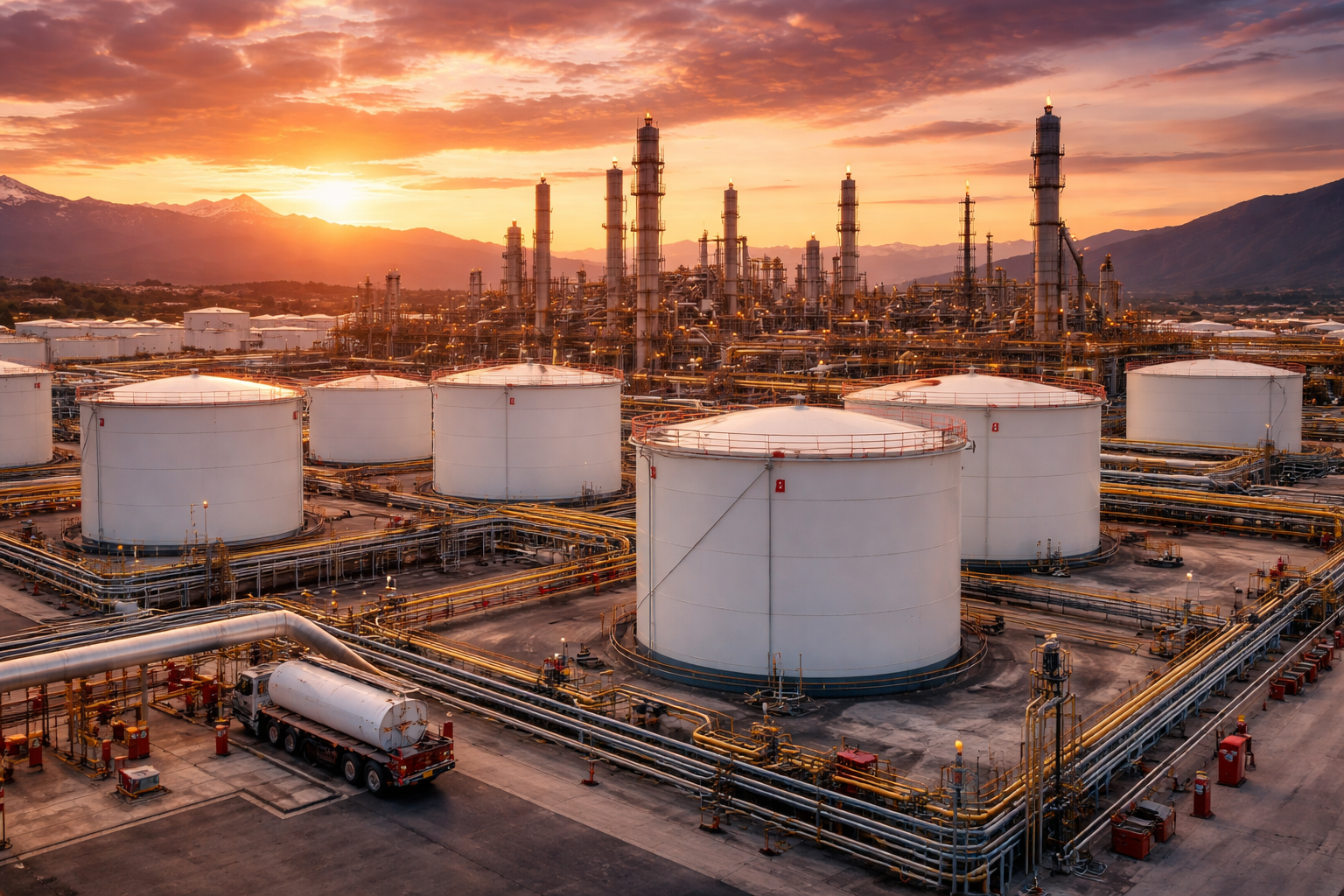
Decreto Supremo 160, commonly referred to as DS 160, is one of the most significant regulatory frameworks governing the handling, storage, transportation, and distribution of liquid fuels, particularly in Chile where it is most widely recognized. Issued as a supreme decree by the executive authority, it carries legal force and is designed to ensure that all operations involving combustible substances are conducted under strict safety, technical, and administrative standards. The importance of this decree lies not only in its legal authority but also in its practical role in shaping how industries manage risk, protect infrastructure, and ensure environmental safety in fuel-related operations. Over time, Decreto Supremo 160 has become a reference point for safety compliance, engineering practices, and regulatory enforcement within the energy sector, making it a crucial subject for professionals, companies, and policymakers.
Legal Framework and Meaning of Decreto Supremo 160
A Decreto Supremo is a formal legal instrument issued by a government, typically signed by a president or minister, to regulate specific aspects of existing laws. In the case of Decreto Supremo 160, the regulation functions as a detailed implementation mechanism for broader energy and safety laws. It translates general legal principles into actionable technical standards and operational procedures that must be followed by industries dealing with liquid fuels. The decree is binding and enforceable, meaning that any entity operating within its scope must comply with its provisions or face legal consequences. Within Chile’s legal system, DS 160 serves as a cornerstone regulation that aligns industrial practices with national safety and environmental policies, ensuring that the handling of hazardous substances like fuels is controlled and standardized.
Historical Background and Evolution
Decreto Supremo 160 was introduced to modernize and replace earlier regulatory frameworks that had become outdated due to technological advancements and increased industrial activity. Prior to DS 160, regulations such as older decrees governing fuel safety lacked the comprehensive scope needed to address modern risks associated with fuel storage and distribution. The introduction of DS 160 marked a significant shift toward a more integrated and technically detailed approach to safety regulation. Over the years, the decree has undergone modifications and updates to reflect new engineering standards, environmental concerns, and technological innovations. These updates have strengthened its relevance and ensured that it remains aligned with global best practices in fuel safety and risk management.
Scope and Application of DS 160
Decreto Supremo 160 applies to a wide range of activities and facilities involved in the lifecycle of liquid fuels. This includes production plants, refineries, storage facilities, transportation systems, and distribution networks such as fuel stations. The scope of the decree is comprehensive, covering every stage from the initial processing of fuels to their final delivery to consumers. It governs both large-scale industrial operations and smaller commercial entities, ensuring that all participants in the fuel supply chain adhere to consistent safety standards. The decree also applies to infrastructure such as pipelines, tanks, and transport vehicles, making it a holistic regulatory framework that addresses both operational and structural aspects of fuel management.
Safety Regulations and Technical Standards
One of the central pillars of Decreto Supremo 160 is its emphasis on safety. The decree establishes detailed technical standards that must be followed to minimize risks associated with liquid fuels, which are inherently hazardous due to their flammable nature. These standards cover aspects such as the design and construction of storage tanks, the installation of safety systems, and the maintenance of equipment. Facilities must incorporate fire prevention mechanisms, leak detection systems, and emergency response protocols to ensure that any potential incident can be quickly contained. The decree also specifies requirements for ventilation, pressure control, and structural integrity, ensuring that all installations are capable of safely handling fuels under various conditions. By enforcing these technical standards, DS 160 significantly reduces the likelihood of accidents and enhances overall operational safety.
Operational Requirements and Procedures
In addition to technical standards, Decreto Supremo 160 outlines operational requirements that govern how fuel-related activities are conducted on a day-to-day basis. These requirements include procedures for handling, transferring, and storing fuels, as well as guidelines for monitoring and maintaining equipment. Operators are required to conduct regular inspections, perform risk assessments, and ensure that all processes are carried out in accordance with established safety protocols. The decree also emphasizes the importance of proper documentation and record-keeping, requiring companies to maintain detailed logs of their operations, maintenance activities, and safety measures. This ensures transparency and accountability, allowing regulatory authorities to verify compliance and identify potential issues before they escalate.
Role of Inspection and Regulatory Authorities
The enforcement of Decreto Supremo 160 is carried out by designated regulatory bodies, which are responsible for overseeing compliance and ensuring that all entities adhere to the decree’s provisions. These authorities conduct inspections, review documentation, and evaluate the safety measures implemented by companies. They have the power to issue fines, suspend operations, or impose other penalties in cases of non-compliance. The role of these authorities is critical in maintaining the integrity of the regulatory framework, as they ensure that the standards set by DS 160 are not merely theoretical but are actively implemented in practice. Their oversight helps to create a culture of compliance and reinforces the importance of safety within the industry.
Environmental Considerations and Impact
Decreto Supremo 160 also addresses environmental concerns associated with the handling of liquid fuels. Fuel spills, leaks, and emissions can have significant environmental consequences, affecting soil, water, and air quality. The decree includes provisions aimed at preventing such incidents and minimizing their impact when they occur. Facilities are required to implement containment systems, monitor environmental conditions, and take corrective actions in the event of a leak or spill. By integrating environmental protection into its framework, DS 160 ensures that industrial activities are conducted in a manner that is not only safe for workers and infrastructure but also sustainable for the environment. This aspect of the decree reflects a broader shift toward environmentally responsible industrial practices.
Compliance Obligations for Companies
Companies operating within the scope of Decreto Supremo 160 must meet a range of compliance obligations to ensure that their activities align with the regulation. These obligations تشمل adhering to technical standards, implementing safety measures, maintaining proper documentation, and undergoing regular inspections. Compliance is not a one-time requirement but an ongoing process that requires continuous monitoring and improvement. Companies must invest in training their کارکنان, upgrading their equipment, and staying informed about updates to the regulation. Failure to comply with DS 160 can result in severe consequences, including financial penalties, operational restrictions, and damage to reputation. As such, compliance is a critical aspect of business operations in the energy sector.
Importance in the Energy and Fuel Industry
Decreto Supremo 160 plays a vital role in the energy and fuel industry by providing a structured framework for managing risks and ensuring safety. The handling of liquid fuels involves inherent dangers, and without proper regulation, these risks can lead to accidents with serious consequences. DS 160 helps to mitigate these risks by establishing clear guidelines and standards that must be followed by all industry participants. It also promotes consistency and uniformity in operations, making it easier for companies to implement best practices and for authorities to enforce compliance. The decree’s impact extends beyond safety, as it alsoساهم in improving efficiency, reducing costs associated with accidents, and enhancing the overall reliability of fuel supply systems.
Updates and Modernization of DS 160
Over time, Decreto Supremo 160 has been updated to reflect changes in technology, industry practices, and regulatory priorities. These updates have introduced new requirements for equipment, improved safety standards, and incorporated considerations for sustainability and environmental protection. The modernization of DS 160 ensures that it remains relevant in a rapidly evolving industry, حيث advancements in technology and changes in market dynamics require continuous adaptation. By updating the decree, authorities can address emerging challenges and ensure that the regulatory framework keeps pace with industry developments. This ongoing process of revision and improvement highlights the dynamic nature of DS 160 and its role as a living document that evolves to meet new needs.
Challenges in Implementation
Despite its importance, the implementation of Decreto Supremo 160 can present challenges for companies, particularly those with limited resources or outdated infrastructure. Meeting the technical and operational requirements of the decree may require significant investment in equipment, training, and systems. Companies must also navigate the complexity of the regulation, which can be detailed and technical in nature. However, these challenges are outweighed by the benefits of compliance, which include improved safety, reduced risk, and enhanced credibility. By addressing these challenges and investing in compliance, companies can not only meet regulatory requirements but also strengthen their overall operations.
Conclusion
Decreto Supremo 160 stands as a comprehensive and essential regulation governing the safe handling of liquid fuels. Its detailed framework, covering technical standards, operational procedures, and environmental considerations, ensures that fuel-related activities are conducted in a controlled and responsible manner. As a legally binding decree, it plays a crucial role in protecting workers, infrastructure, and the environment while promoting efficiency and reliability within the energy sector. Through its ongoing updates and enforcement, DS 160 continues to shape industry practices and set the standard for safety and compliance. Understanding and adhering to this regulation is fundamental for any entity involved in the production, storage, transportation, or distribution of liquid fuels.
Also Read: Who Is Eva Marcille twin sister? Debunking the Rumor With Real Facts