
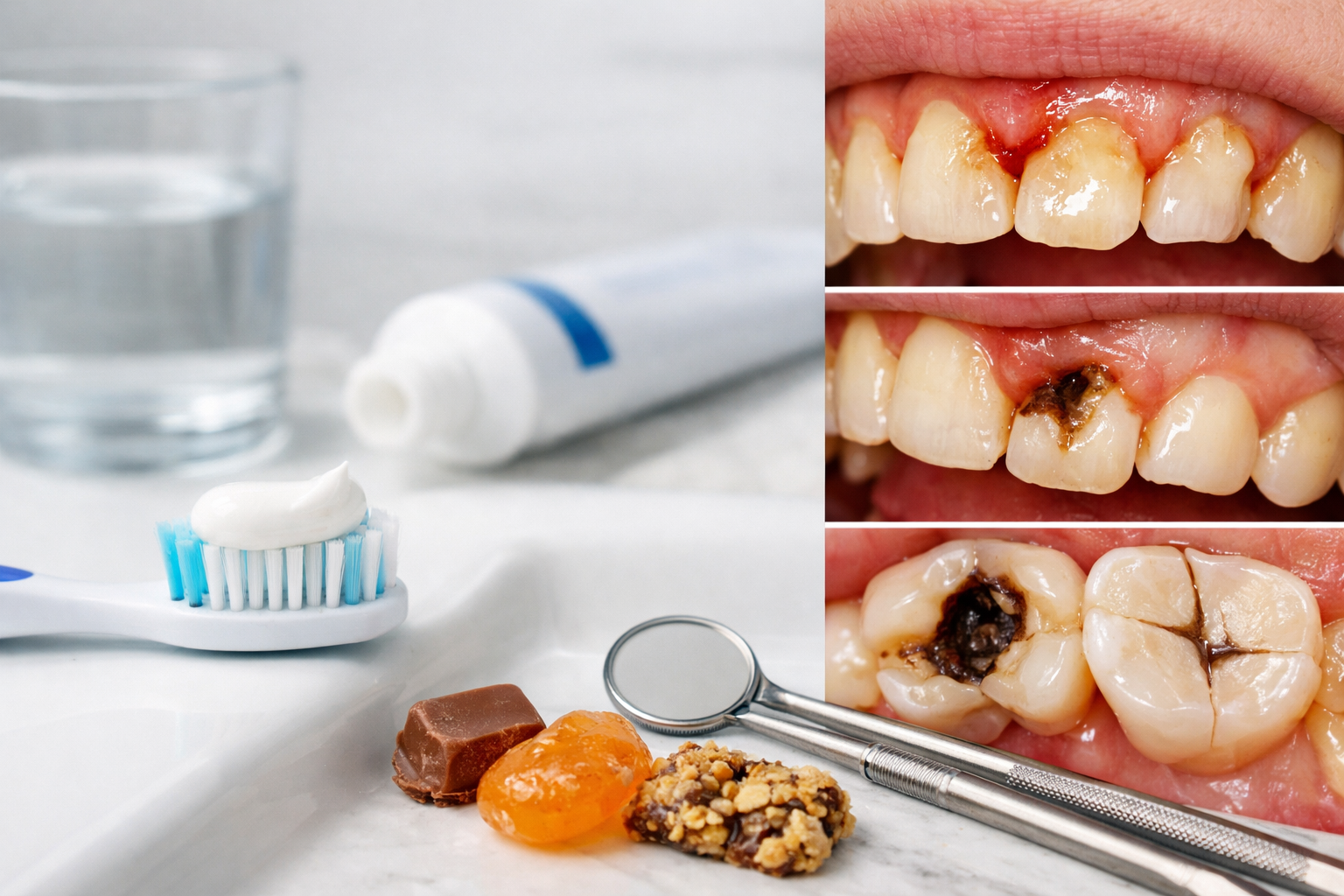
Consistent brushing creates a sense of security. People assume that if they brush every day, most dental problems will stay away. But that assumption often collapses the moment sensitivity appears, gums bleed, or a cavity shows up during a routine visit, despite what seems like a solid hygiene routine.
The issue is not that brushing does not matter. It matters a great deal. The problem is that brushing alone does not control every factor that affects oral health. Technique, timing, diet, saliva, grinding, gum recession, and the areas a toothbrush cannot fully reach all shape what happens in the mouth over time. A person can be committed to brushing and still develop dental issues because consistency is only one part of prevention.
Why Daily Brushing Is Not The Full Story
- Good Habits Can Still Miss Key Areas
A toothbrush does useful work, but it has limits. It mainly cleans the exposed surfaces it can reach easily, and even then, results depend on angle, pressure, duration, and coverage. Plaque often remains along the gumline, between teeth, and around older dental work, even when brushing happens twice a day. That is one reason clinics such as Be Well Dental often remind patients that regular brushing is important, but not complete protection on its own. A mouth can look well cared for on the surface while hidden buildup continues to affect enamel and gum tissue in areas a brush handles less effectively.
- Technique Matters More Than People Think
Many people judge brushing by frequency alone. They brush every morning and night, so they assume the routine is effective. But poor brushing technique can leave behind the same problems as inconsistent brushing. Rushing through the process, using the wrong angle, missing back teeth, or brushing too aggressively can all create trouble. In some cases, people clean often but not thoroughly. In others, they brush so hard that they irritate the gums or wear down enamel near the gumline. That means a person may feel disciplined about oral care while still creating the conditions for sensitivity, recession, or localized decay.
- Diet Still Affects The Teeth
Dental health is shaped by what happens between brushing sessions as much as during them. Frequent snacking, sugary drinks, acidic foods, and repeated exposure to soda, juice, or sports drinks can weaken enamel over time. Even a person who brushes regularly may be exposing their teeth to constant acid attack throughout the day. The issue is often not one major habit but repeated smaller exposures that reduce the mouth’s ability to recover. Brushing helps remove plaque, but it does not erase the effects of dietary patterns that keep feeding bacteria or softening enamel long after the toothbrush has been put away.
- Saliva Plays A Larger Role
Saliva does more for oral health than many people realize. It helps neutralize acids, wash away food particles, and protect teeth from ongoing irritation. When saliva flow is reduced by medication, dehydration, mouth breathing, or other factors, the mouth becomes more vulnerable even if brushing remains consistent. A dry mouth creates a very different environment from a well-hydrated one. That shift can increase plaque retention, raise the risk of cavities, and contribute to gum irritation. In those cases, the person may not be doing less oral care. The mouth is simply functioning with fewer natural defenses than it used to have.
- Grinding And Clenching Change The Picture
Some dental problems develop because of force, not cleanliness. People who grind or clench their teeth can gradually wear down enamel, create tiny fractures, and increase sensitivity, even while maintaining a regular brushing routine. These problems are easy to misread because they do not begin with obvious hygiene failure. A patient may brush well and still develop symptoms because the real cause is mechanical stress that happens during sleep or periods of daytime tension. This is one reason dentists look at wear patterns, not just plaque levels. Clean teeth can still be under serious pressure.
- Gum Health Is More Complex
Gum problems can also develop in people who brush consistently because the issue is not whether they brush, but how effectively they control plaque near and below the gumline. Flossing gaps, tartar buildup, hormonal changes, medication effects, and immune response all influence gum tissue. A person may brush faithfully and still notice bleeding or tenderness because brushing alone does not fully address the areas where inflammation begins. Gum tissue reacts to what remains behind, and those deposits are often found in areas that daily brushing only partially reaches.
Brushing Helps, But It Does Not Control Everything
Dental problems can develop even when brushing seems consistent because oral health depends on more than just the daily routine. Technique, diet, saliva flow, grinding, gumline care, and the condition of older dental work all affect whether teeth and gums stay healthy over time. Brushing remains essential, but it works as one part of a larger system rather than a guarantee against every issue. That is a useful perspective for patients to keep in mind. A regular brushing habit is a strong foundation, but it does not eliminate the need to consider other factors quietly shaping oral health in the background.